
Product Center
An Answer
For Every Sample
Product Center
Products
Browse products by category.
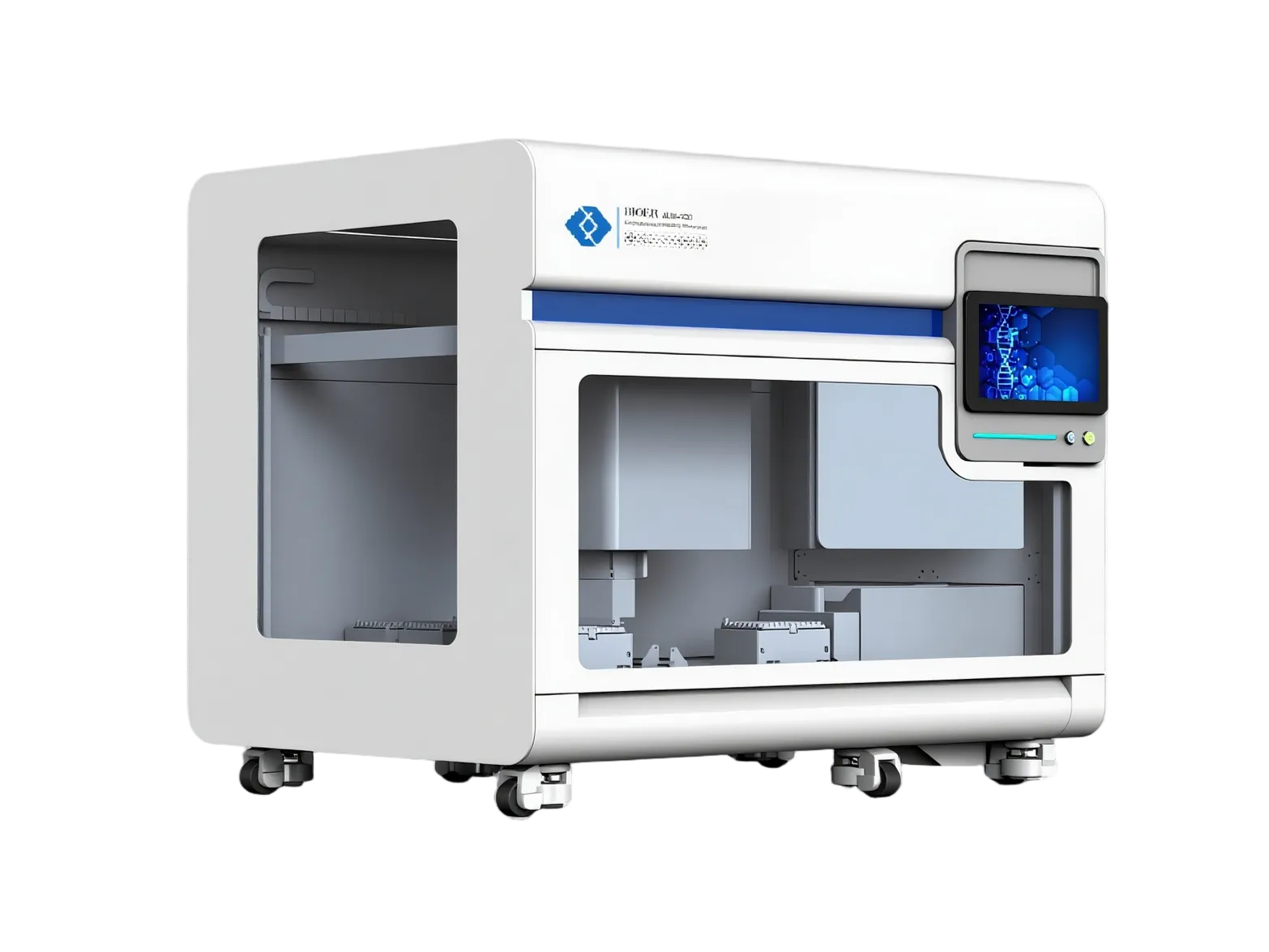
Automated Liquid Handling Workstation
Automated Liquid Handling Workstation
Animal Pathogen Series
Animal Pathogen Series

PEDV Real Time PCR Detection Kit
Porcine epidemic diarrhea virus (PEDV) belongs to the genus Alpha coronaviruses of the coronaviruses family. Porcine epidemic diarrhea (PED), a digestive or respiratory tract disease that is highly infectious and pathogenic in pigs, occurs frequently in the cold season of late winter and early spring, causing huge economic losses and seriously endangering the pig industry in China and the world. However, morbidity and mortality decreased with the increase of pig age. Suckling piglets had the highest infection rate and the highest mortality rate within 1-5 days of age, which was almost 100%. Weaned pigs, fattening pigs and breeding pigs had mild symptoms and very low mortality rate. The disease spreads rapidly, and within a constant number of days in pig farms, the whole herd is affected. Therefore, the diagnosis of this epidemic disease is very important.
Porcine PRRS Virus Nucleic Acid Detection Kit (Fluorescence PCR)
In recent years, the number of pig diseases is increasing, the disease is complicated, and the mortality is increasing. In particular, pig PRRSV can cause fever, anorexia in pigs, late abortion, premature delivery, stillbirth and other diseases in pregnant sows. It has caused huge economic losses in our pig breeding industry. Sometimes it is difficult to make the correct judgment on the etiology only by the epidemiological and pathological changes. Therefore, it is necessary to diagnose pig diseases by laboratory methods so that appropriate prevention and control measures can be taken to minimize the loss of farms.
Foot-and-Mouth Disease Virus Universal Nucleic Acid Detection Kit (Fluorescent PCR method)
Foot-and-mouth disease virus (FMDV) infection is an acute, febrile, contact infectious disease common to cloven-hoofed animals, the most susceptible animals are cattle, buffalo, pigs, camels, sheep, deer, etc.; Wild animals such as yellow sheep, musk deer, wild boar, and bison are also susceptible to this disease, with cattle being the most susceptible. Foot-and-mouth disease is endemic in Asia, Africa and the Middle East, as well as in South America, and sporadic cases are also available in non-endemic areas. There are 7 serotypes of foot-and-mouth disease virus, O, A, C, SAT1~3 (South African 1~3) and Asia1 (Asian 1), and there is no difference in the symptoms of each serotype. In cases where specific types are not identified, universal testing of all types of foot-and-mouth disease virus plays a key role in rapid screening.
CSFV/PRRSV/PCVII/PRV(gE) Nucleic Acid Detection Kit (Fluorescence PCR)
The CSFV/PRRSV/PCVII/PRV(gE) Nucleic Acid Detection Kit (Fluorescence PCR) is a comprehensive molecular assay designed for the simultaneous detection of multiple swine viruses: Classical Swine Fever Virus (CSFV), Porcine Reproductive and Respiratory Syndrome Virus (PRRSV), Porcine Circovirus Type II (PCVII), and Pseudorabies Virus (PRV) carrying the gE gene. This kit utilizes fluorescence-based PCR technology to enable rapid and sensitive detection of viral nucleic acids in swine samples. Its multiplex design allows for simultaneous detection of these four viruses, providing efficient and accurate screening for swine viral infections. This kit is essential for veterinary diagnostics, disease surveillance, and biosecurity measures in swine farms, contributing to the prevention and control of viral diseases in swine populations.
Porcine PRRS Virus Nucleic Acid Detection Kits
RT-PCR is widely used because of it is a technology with the advantages of specificity and sensitivity. The real-time fluorescent RT-PCR method is recommended for laboratory pathogen nucleic acid detection. The detection of porcine PRRSV is not only used for PRRSV diagnosis, epidemiological investigation, and pathogenesis research, but also can diagnose multiple strains and distinguish different strains. Based on its own mature molecular diagnostic platform and technical reserves, Bioer Technology has developed Porcine PRRS virus nucleic acid detection reagent related products for different customer needs.
ASFV Real-time PCR Detection Reagent
African Swine fever virus (ASFV) is a double-stranded DNA virus belonging to Asfarviridae, which can cause acute and hemorrhagic symptoms in domestic pigs or wild boar after infection. The virus spreads quickly among pigs and could have serious effects for the breeding industry if it is not detected in time. Bioer ASFV real-time PCR detection reagent series is specially designed for this virus, with high efficiency, stability, strong specificity and other characteristics, can meet the needs of different users.
Cell Culture Consumables
Cell Culture Consumables

Cell Culture Flask
Cell culture flasks are specialized vessels designed for the cultivation and growth of cells in laboratory settings. These flasks typically consist of a flat or angled bottom with a sterile, vented cap to facilitate gas exchange while preventing contamination. They are commonly made from polystyrene or other biocompatible materials and are available in various sizes to accommodate different cell culture volumes. The inner surface of the flask is usually treated to promote cell adhesion and proliferation. Cell culture flasks play a crucial role in biomedical research, pharmaceutical development, and other fields where the study of cell behavior and function is essential.

Cell Culture Dish
A cell culture dish is a standard laboratory tool used for growing and maintaining cells outside of their natural environment. Typically made of clear polystyrene, these dishes have a flat bottom and raised edges to contain cell culture media. They are treated to promote cell attachment and proliferation. Cell culture dishes are essential for research in various scientific fields, allowing researchers to study cellular behavior and responses in a controlled environment.
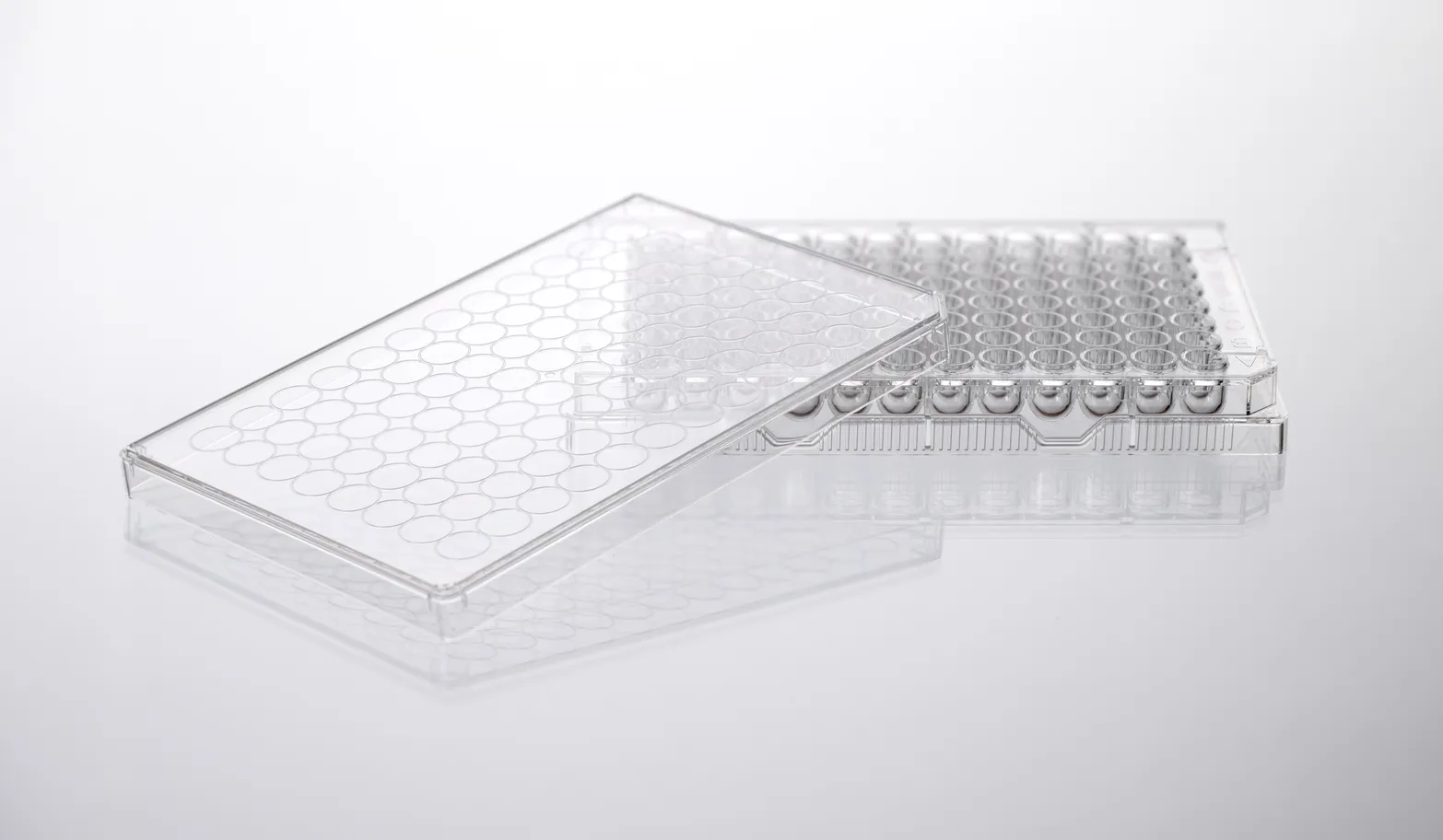
Cell Culture Plate
A cell culture plate, also known as a multiwell plate, is a standardized laboratory tool used for growing and experimenting with cells in vitro. Made of clear polystyrene, it contains multiple wells or compartments that allow researchers to conduct parallel experiments. Its versatility and scalability make it indispensable for various fields including drug discovery, cancer research, and basic cell biology studies. The plate's standardized format and compatibility with automated systems enhance throughput and efficiency in cell-based assays, enabling rapid analysis of cellular responses to experimental conditions or therapeutic agents.