
Product Center
An Answer
For Every Sample
Product Center
Products
Browse products by category.
Automated Liquid Handling Workstation
Automated Liquid Handling Workstation

Avian Influenza
Avian Influenza

Avian Influenza Virus H5N1 Subtype Nucleic Acid Detection Kit (Fluorescent PCR method)
Avian influenza virus (AIV) is a type of influenza A virus and is classified as a class A severe infectious disease by the World Organization for Animal Health (OIE). According to the different antigenicity of its outer membrane hemagglutinin (H) and neuraminidase (N) proteins, it can be divided into 16 H subtypes (H1~H16) and 9 N subtypes (N1~N9). Among avian influenza viruses, H5N1, H7N7, and H9N2 can be transmitted to humans, of which H5N1 is highly pathogenic and has a high fatality rate. Avian influenza has caused serious unsalable poultry products, caused heavy losses to farmers, and caused great economic losses to the poultry farming industry.
Avian Influenza Virus H7N9 Subtype Nucleic Acid Detection Kit (Fluorescent PCR method)
Avian influenza virus (AIV) is a type of influenza A virus and is classified as a class A severe infectious disease by the World Organization for Animal Health (OIE).According to the different antigenicity of its outer membrane hemagglutinin (H) and neuraminidase (N) proteins, it can be divided into 16 H subtypes (H1~H16) and 9 N subtypes (N1~N9). Among the avian influenza viruses, H5N1, H7N7, and H9N2 can be transmitted to humans. Among them, the high fatality rate of the H7N9 subtype makes poultry products seriously unsalable, and farmers have suffered heavy losses, which has caused great economic losses to the poultry farming industry.
Avian Influenza Virus H5N8 Subtype Nucleic Acid Detection Kit (Fluorescence RT-PCR)
Avian Influenza Virus (AIV) is a kind of influenza A virus, which is listed as a severe infectious disease of type A by the World Organization for Animal Health (Founded as OIE). According to the antigenicity of the outer membrane hemagglutinin (H) and neuraminidase (N) proteins, it can be divided into 16 H subtypes (H1-H16) and 9 N subtypes (N1-N9). Among AIV, H5N1/H7N7/H9N2 subtypes can infect humans. The high fatality rate of H5N8 subtype makes poultry products seriously unsalable, farmers suffer heavy losses, and cause great economic losses to the poultry farming industry.
Avian Influenza Virus Lyophilized Nucleic Acid Detection Kit (Fluorescence PCR)
Avian influenza (AI) viruses, commonly known as bird flu, are members of the family orthmyxoviridae, Type A which is subdivided into categories (strains) depending on the outer proteins H (Haemagglutinin) and N (Neuraminidase). There are many types of avian influenza, which are all caused by various strains of type A influenza virus (e.g., H5N1, H7N3, H9N2). Avian influenza A(H5N1) illness is caused by the avian influenza A(H5N1) virus. The disease spreads by direct contact or through contaminated faeces and bodily fluids. New AI virus strains are created frequently which means that there is a constant risk that one of the new strains may spread easily among people. Avian Influenza continues to be a threat to the worldwide poultry industry. An effective control strategy for avian influenza in domesticated poultry is therefore an essential element in the protection of both bird and human populations.

Avian Influenza Virus H5/H7/H9 Subtype Lyophilized Nucleic Acid Detection Kit (Fluorescence PCR)
Avian Influenza Virus (AIV) is a kind of influenza A virus, which is listed as a severe infectious disease of type A by the World Organization for Animal Health (Founded as OIE). According to the antigenicity of the outer membrane hemagglutinin (H) and neuraminidase (N) proteins, it can be divided into 16 H subtypes (H1-H16) and 9 N subtypes (N1-N9). Among avian influenza viruses, highly pathogenic avian influenza is caused by the H5 and H7 subtypes of influenza A virus, which are highly harmful and have a high mortality rate. Additionally, H5N1, H7N9, and H9N2 can be transmitted to humans. Therefore, if not detected timely, it may result in in heavy losses for farmers and causing significant economic losses to the poultry breeding industry.
Cell Culture Consumables
Cell Culture Consumables

Cell Culture Flask
Cell culture flasks are specialized vessels designed for the cultivation and growth of cells in laboratory settings. These flasks typically consist of a flat or angled bottom with a sterile, vented cap to facilitate gas exchange while preventing contamination. They are commonly made from polystyrene or other biocompatible materials and are available in various sizes to accommodate different cell culture volumes. The inner surface of the flask is usually treated to promote cell adhesion and proliferation. Cell culture flasks play a crucial role in biomedical research, pharmaceutical development, and other fields where the study of cell behavior and function is essential.

Cell Culture Dish
A cell culture dish is a standard laboratory tool used for growing and maintaining cells outside of their natural environment. Typically made of clear polystyrene, these dishes have a flat bottom and raised edges to contain cell culture media. They are treated to promote cell attachment and proliferation. Cell culture dishes are essential for research in various scientific fields, allowing researchers to study cellular behavior and responses in a controlled environment.
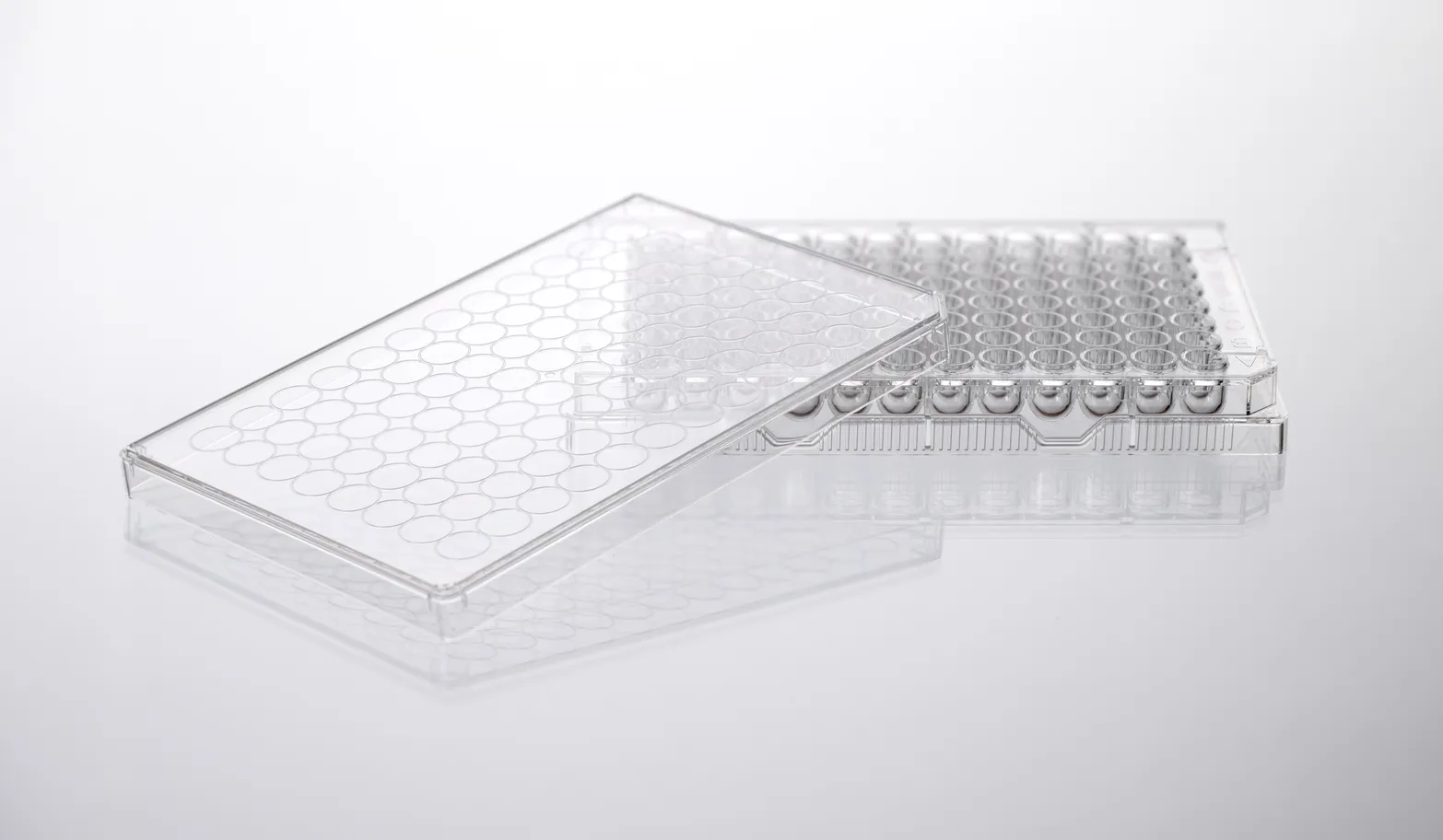
Cell Culture Plate
A cell culture plate, also known as a multiwell plate, is a standardized laboratory tool used for growing and experimenting with cells in vitro. Made of clear polystyrene, it contains multiple wells or compartments that allow researchers to conduct parallel experiments. Its versatility and scalability make it indispensable for various fields including drug discovery, cancer research, and basic cell biology studies. The plate's standardized format and compatibility with automated systems enhance throughput and efficiency in cell-based assays, enabling rapid analysis of cellular responses to experimental conditions or therapeutic agents.