
Product Center
An Answer
For Every Sample
Product Center
Products
Browse products by category.
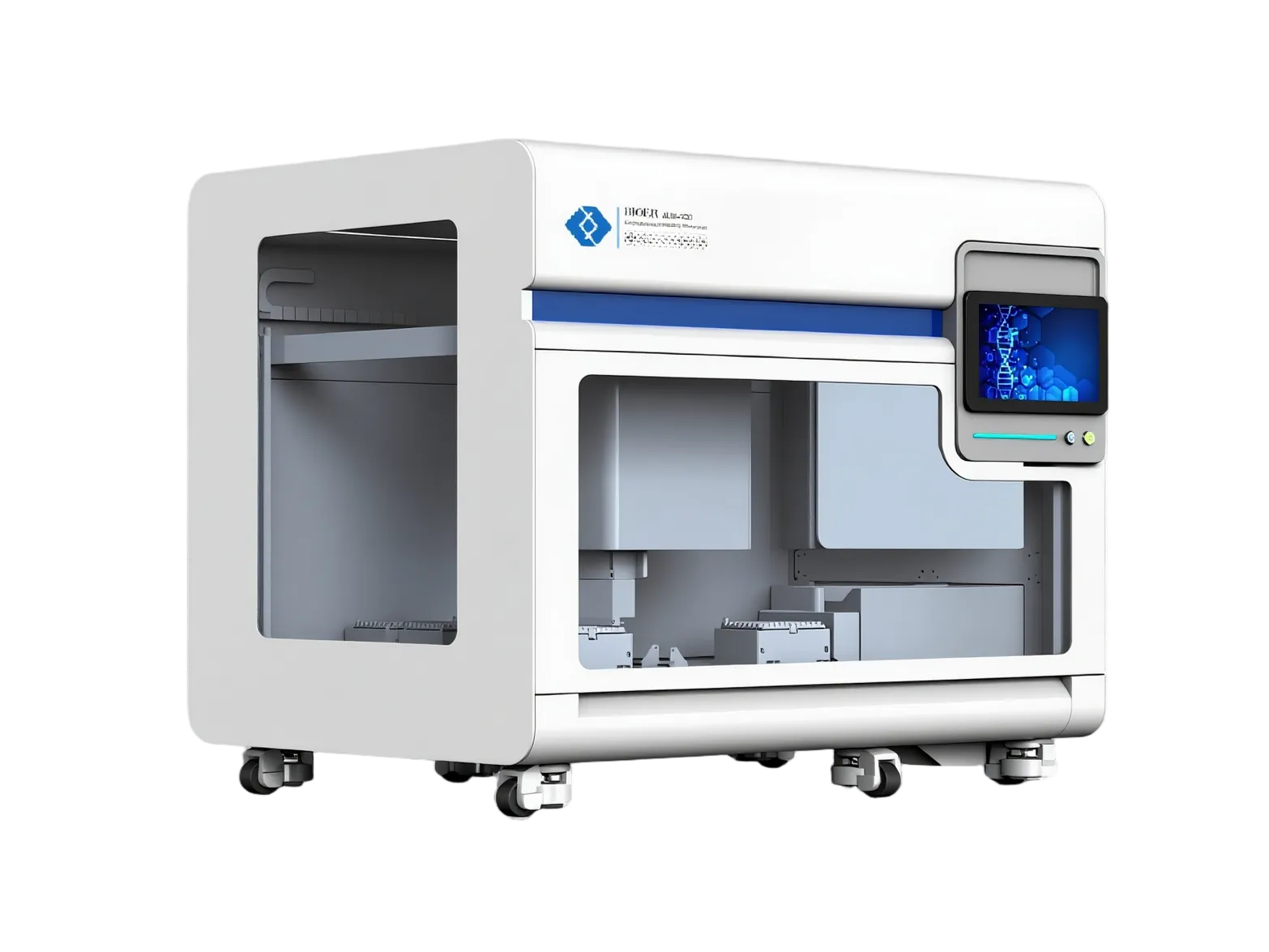
Automated Liquid Handling Workstation
Automated Liquid Handling Workstation
Cervical cancer
Cervical cancer

HPV Nucleic Acid Detection and 16/18 Genotyping Kit (Fluorescent PCR)
Human Papillomavirus (HPV) is a non-enveloped double-stranded circular DNA virus with a preference for epithelial tissues. The genome is approximately 8000 base pairs long and consists of three functional regions: the early transcriptional region (E region), the late transcriptional region (L region), and the non-transcriptional region (long control region, LCR). Based on their pathogenicity or carcinogenic risk, HPV is classified into high-risk and low-risk types. According to research by the International Agency for Research on Cancer (IARC) of the World Health Organization (WHO) and other international organizations, HPV types such as 16, 18, 31, 33, 35, 39, 45, 51, 52, 56, 58, 59, and 68 are classified as high-risk, while types like 26, 53, 66, 73, and 82 are considered intermediate risk, with HPV53 and HPV66 being suspected high-risk types.
HPV (6/11/16/18) Genotyping Real-Time PCR Kit (Fluorescent PCR)
This kit covers the types of HPV prevented by the quadrivalent vaccine (HPV 6/11/16/18). Specific primer probes were designed after selecting the conserved regions of HPV genome, and different fluorescence groups were labeled on the probes to produce different fluorescence in the reaction system. Four virus subtypes, HPV-6, 11, 16 and 18, can be classified and detected in only one detection, which can provide effective diagnostic basis for doctors and have guiding significance for diagnosis and treatment.
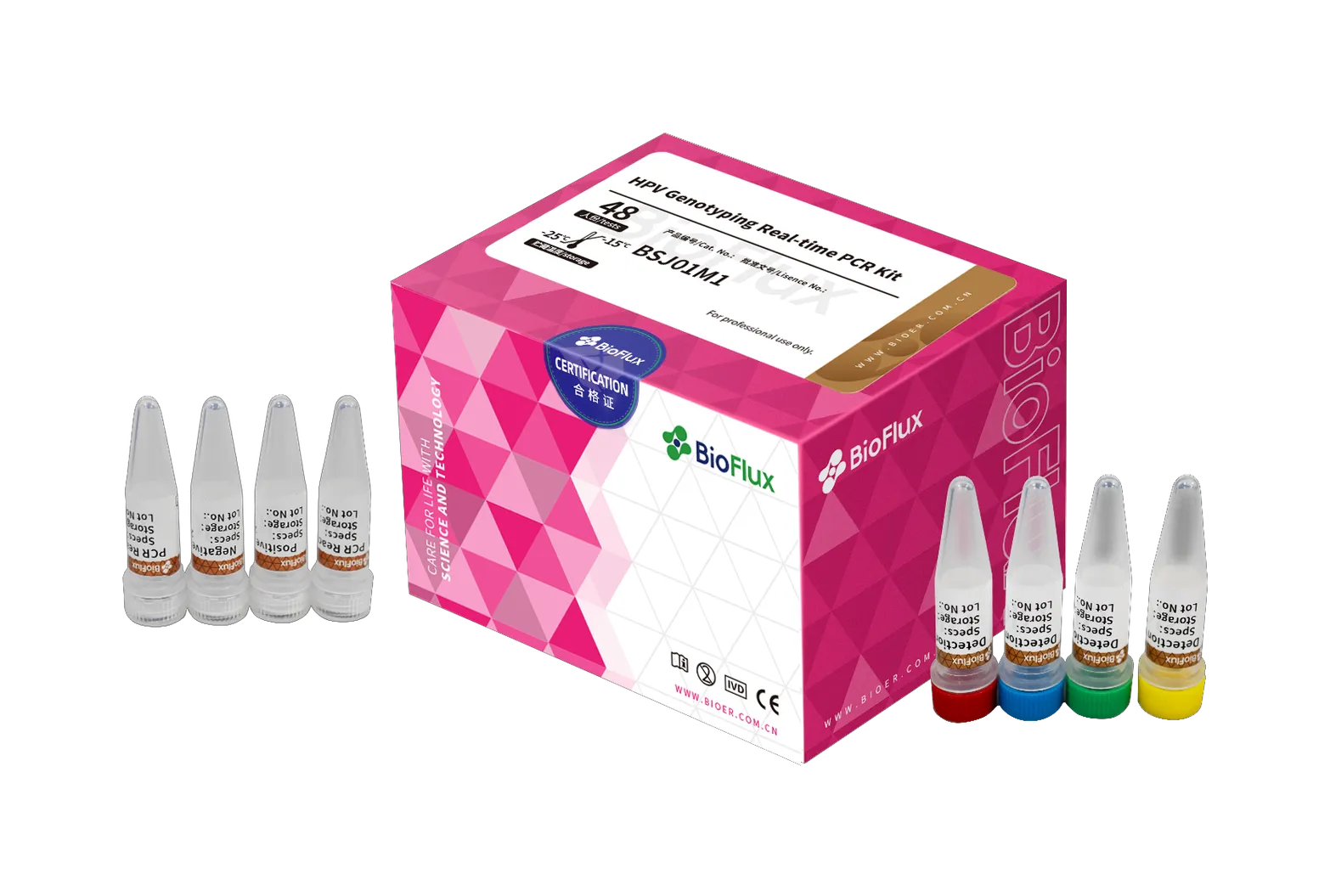
HPV Genotyping Real-time PCR Kit (Fluorescence PCR)
Human papillomavirus (HPV) is a kind of double stranded DNA virus, and the long-term persistent infection of HPV is the main cause of human cervical cancer. HPV genotyping real-time PCR kit can detect 15 kinds of high risk HPV, 3 kinds of medium-risk HPV and 2 kinds of low-risk HPV. This kit adopts fluorescence quantitative PCR method, and has the advantages of high specificity and high sensitivity. It can not only detect the virus in the early stage of infection, but also distiguish high-risk type and low-risk type, It is free from various chemical and biochemical components and other interference, which has guiding significance for the diagnosis and treatment of HPV.
Cell Culture Consumables
Cell Culture Consumables

Cell Culture Flask
Cell culture flasks are specialized vessels designed for the cultivation and growth of cells in laboratory settings. These flasks typically consist of a flat or angled bottom with a sterile, vented cap to facilitate gas exchange while preventing contamination. They are commonly made from polystyrene or other biocompatible materials and are available in various sizes to accommodate different cell culture volumes. The inner surface of the flask is usually treated to promote cell adhesion and proliferation. Cell culture flasks play a crucial role in biomedical research, pharmaceutical development, and other fields where the study of cell behavior and function is essential.
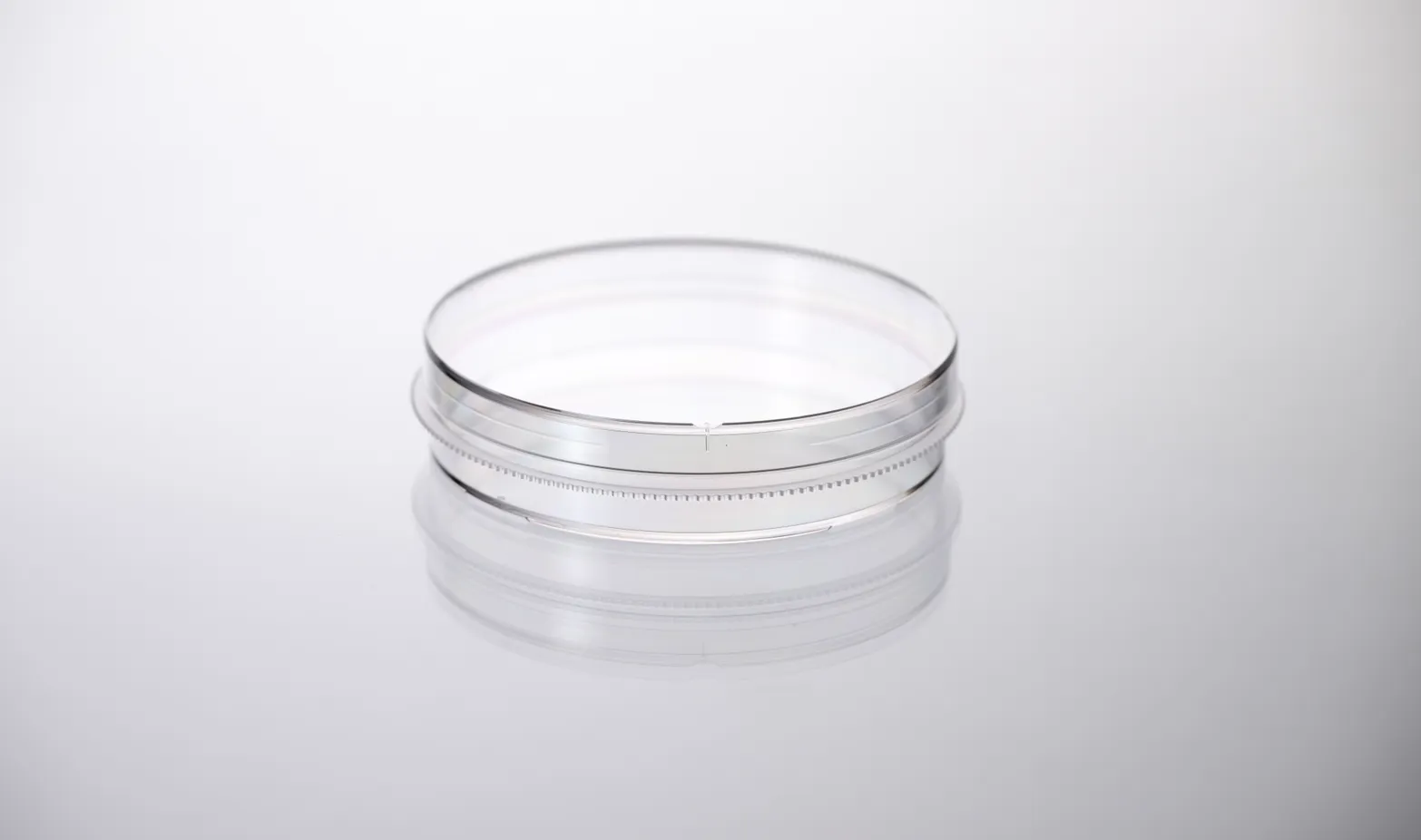
Cell Culture Dish
A cell culture dish is a standard laboratory tool used for growing and maintaining cells outside of their natural environment. Typically made of clear polystyrene, these dishes have a flat bottom and raised edges to contain cell culture media. They are treated to promote cell attachment and proliferation. Cell culture dishes are essential for research in various scientific fields, allowing researchers to study cellular behavior and responses in a controlled environment.
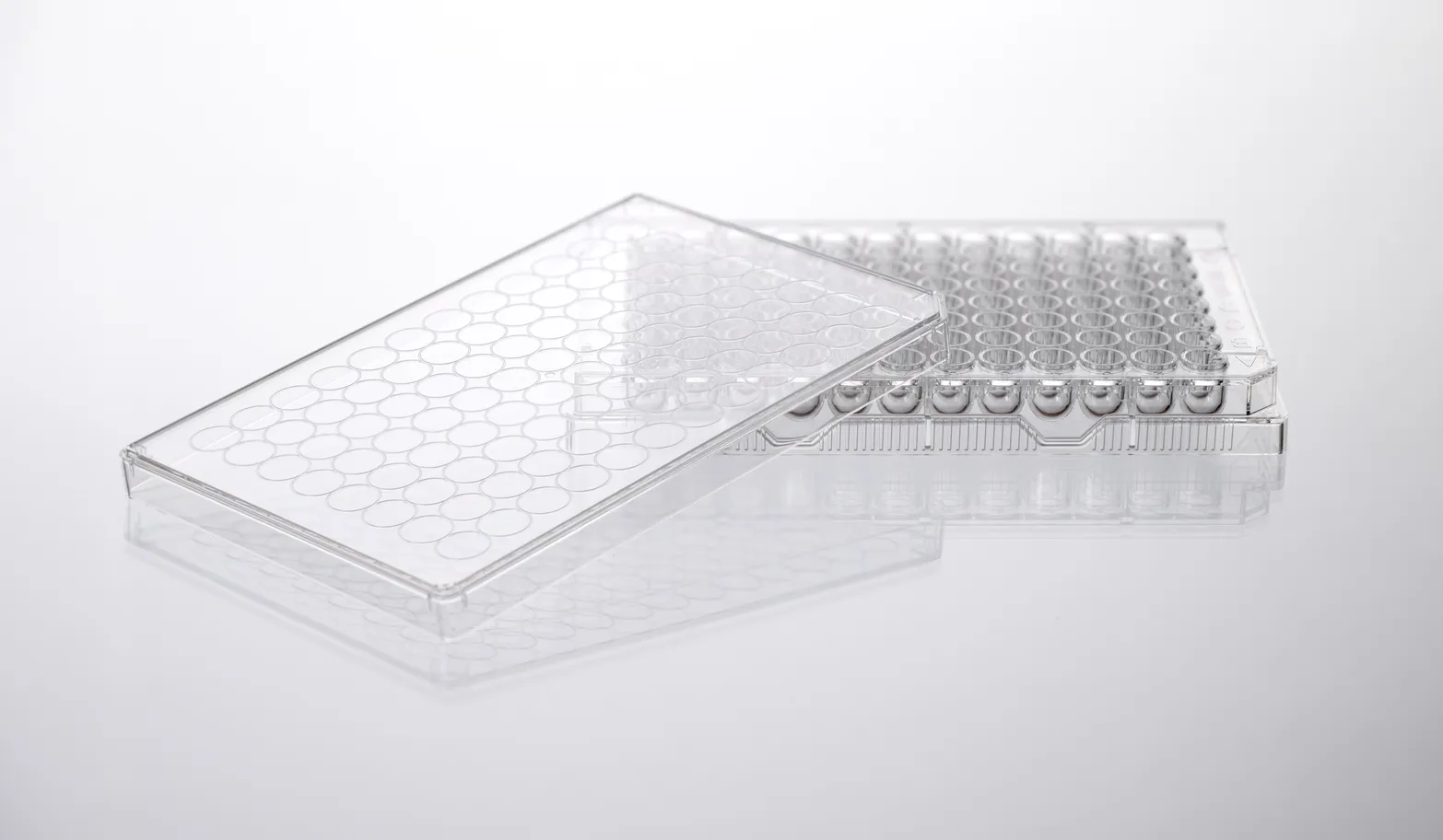
Cell Culture Plate
A cell culture plate, also known as a multiwell plate, is a standardized laboratory tool used for growing and experimenting with cells in vitro. Made of clear polystyrene, it contains multiple wells or compartments that allow researchers to conduct parallel experiments. Its versatility and scalability make it indispensable for various fields including drug discovery, cancer research, and basic cell biology studies. The plate's standardized format and compatibility with automated systems enhance throughput and efficiency in cell-based assays, enabling rapid analysis of cellular responses to experimental conditions or therapeutic agents.