
Product Center
An Answer
For Every Sample
Product Center
Products
Browse products by category.
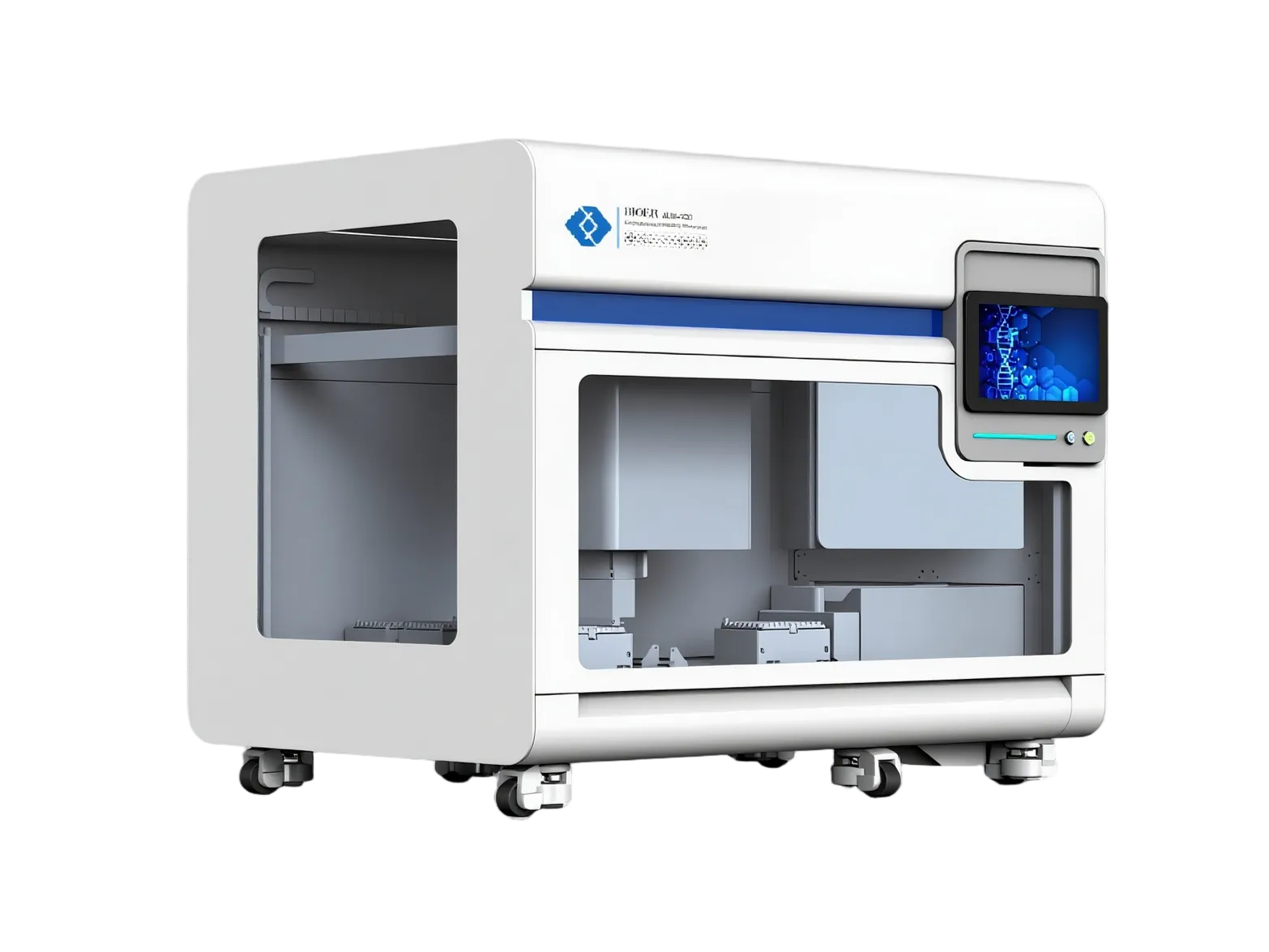
Automated Liquid Handling Workstation
Automated Liquid Handling Workstation
Gastrointestinal Infection Pathogens
Gastrointestinal Infection Pathogens

Enterovirus Universal Nucleic Acid Detection Kit (Fluorescent PCR)
Enterovirus belongs to the genus Enterovirus in the family Picornaviridae, consisting of a single-stranded, positive-sense RNA genome approximately 7.2–8.4 kb in length. The genome is divided into three regions, with conserved non-coding regions at both ends, showing significant homology among enteroviruses. The 5' untranslated region is often used as the target gene for universal detection of enterovirus. The sources of enterovirus infection include both symptomatic patients and asymptomatic carriers. Transmission primarily occurs via the fecal-oral route, but respiratory transmission is also possible. Summer and autumn are peak seasons for enterovirus infections.
Vibrio Cholerae Nucleic Acid Detection Kit (Fluorescence PCR)
Vibrio cholerae is a gram-negative, comma-shaped bacterium that is the causative agent of cholera, a severe diarrheal illness. This pathogen primarily thrives in aquatic environments such as brackish water and estuaries. V. cholerae is categorized into over 200 serogroups, but only O1 and O139 are known to cause cholera outbreaks. The bacterium produces cholera toxin (CT), which disrupts the normal ion transport in the intestines, leading to the characteristic watery diarrhea, also known as "rice-water stool." Cholera is typically transmitted through contaminated water or food, and without treatment, it can lead to rapid dehydration and death. Prevention strategies include improving water and sanitation infrastructure, while treatment involves rehydration and antibiotics in severe cases.
Norovirus/Group A Rotavirus/Enteric Adenovirus Nucleic Acid Detection Kit (Fluorescence PCR)
Gastrointestinal Infection is a common and frequently-occurring disease in China. Norovirus is one of the main pathogens causing non-bacterial acute gastroenteritis at present. This virus is highly infectious and is mainly transmitted by contaminated water, food, contact transmission and aerosol formed by pollutants. Group A rotavirus (RV) is the most common pathogen of infantile diarrhea in autumn and winter, ranking the first in the epidemic degree of infantile diarrhea (about 40%). There are 51 serotypes of human adenovirus, which belong to 6 subgroups A~F. Group F is also divided into adenovirus type 40 (Ad40) and 41 (Ad41), which is called Enteric Adenovirus (EAdV). EAdV is an important cause of acute severe diarrhea in infants and young children worldwide and is believed to be related to sporadic diarrhea and outbreaks of diarrhea in kindergartens, schools and hospitals.
Enterovirus Universal, Enterovirus 71, Coxsackievirus A6, Coxsackievirus A10 and Coxsackievirus A16 nucleic acid Detection Kit (Fluorescent PCR)
Hand-foot-mouth disease (HFMD) is a common infectious disease caused by enterovirus infection, characterized by fever, sore throat, general malaise, rash or herpes on the hands, feet, and mouth. People are generally susceptible to enteroviruses and can be infected in different age groups, mainly in children under 5 years old. Some patients have fatal cardiopulmonary diseases and nervous system complications and may even lead to death.The main enteroviruses that can cause HFMD include Coxsackievirus A (type 2, 4, 5, 6, 7, 9, 10, 16), Coxsackievirus B (type 1, 2, 3, 4, 5), enterovirus 71 and Echovirus. Among them, A16 and enterovirus 71 are the traditional high types, but A6 and A10 have gradually become the main pathogens causing HFMD in recent years.
Cell Culture Consumables
Cell Culture Consumables

Cell Culture Flask
Cell culture flasks are specialized vessels designed for the cultivation and growth of cells in laboratory settings. These flasks typically consist of a flat or angled bottom with a sterile, vented cap to facilitate gas exchange while preventing contamination. They are commonly made from polystyrene or other biocompatible materials and are available in various sizes to accommodate different cell culture volumes. The inner surface of the flask is usually treated to promote cell adhesion and proliferation. Cell culture flasks play a crucial role in biomedical research, pharmaceutical development, and other fields where the study of cell behavior and function is essential.
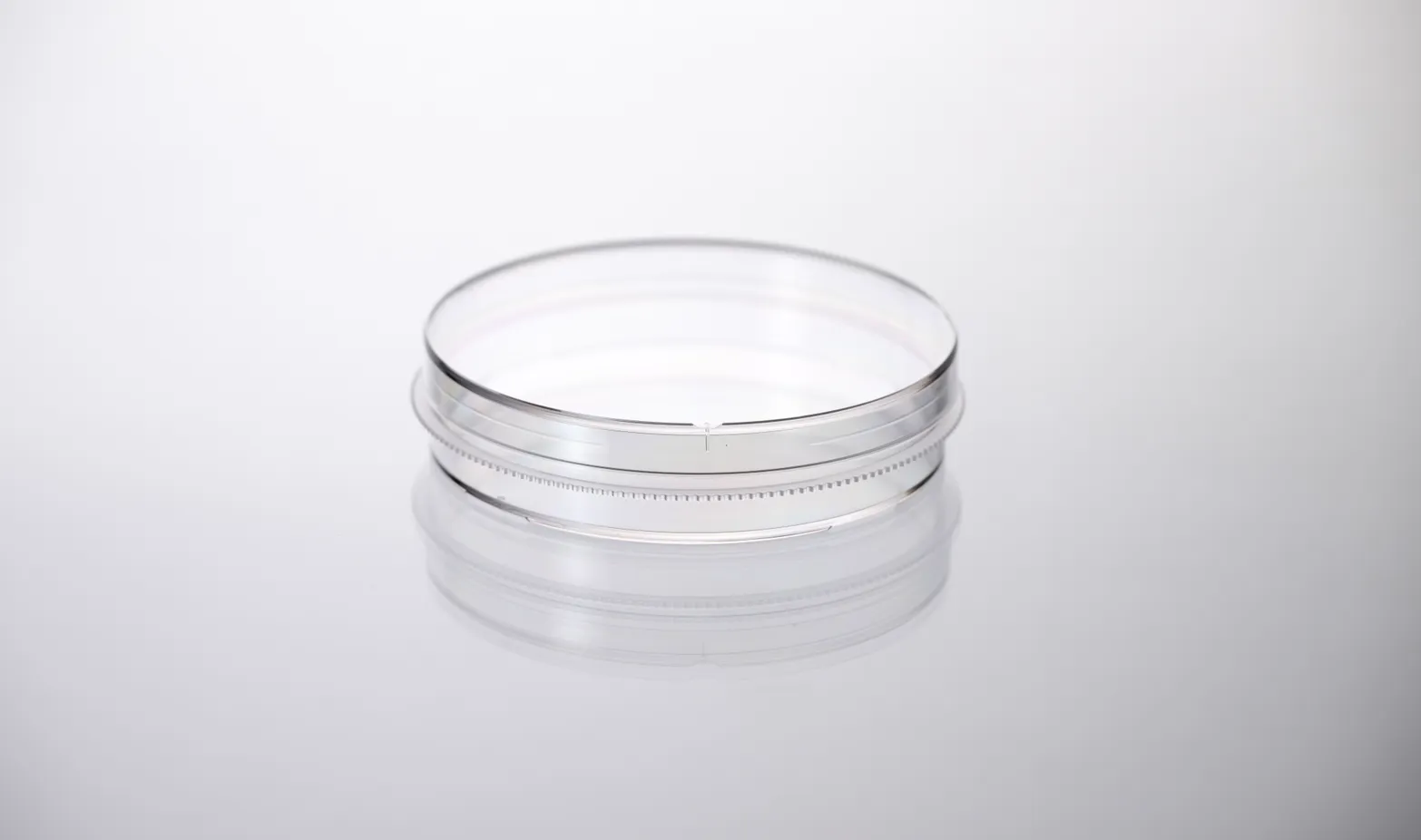
Cell Culture Dish
A cell culture dish is a standard laboratory tool used for growing and maintaining cells outside of their natural environment. Typically made of clear polystyrene, these dishes have a flat bottom and raised edges to contain cell culture media. They are treated to promote cell attachment and proliferation. Cell culture dishes are essential for research in various scientific fields, allowing researchers to study cellular behavior and responses in a controlled environment.
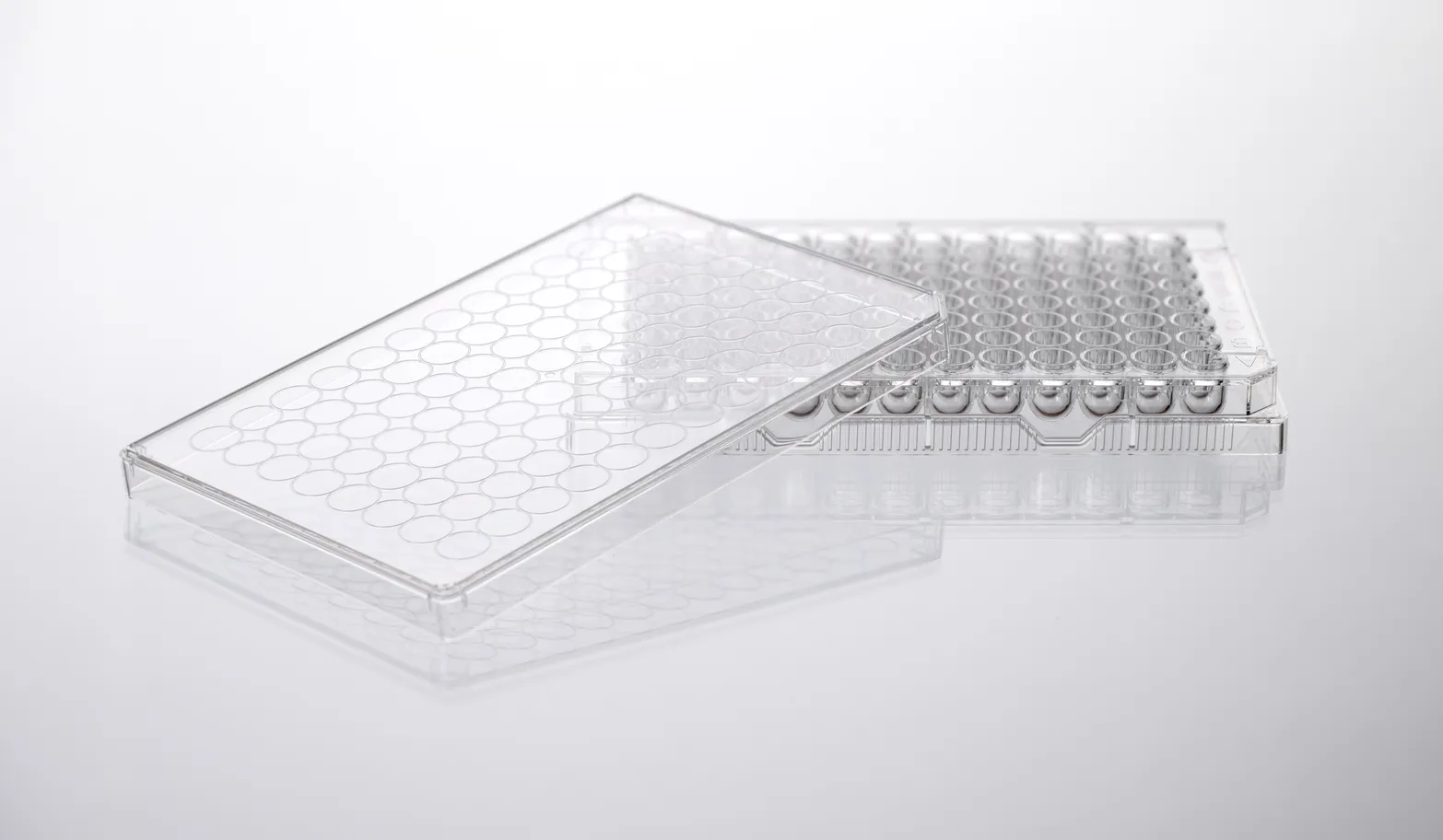
Cell Culture Plate
A cell culture plate, also known as a multiwell plate, is a standardized laboratory tool used for growing and experimenting with cells in vitro. Made of clear polystyrene, it contains multiple wells or compartments that allow researchers to conduct parallel experiments. Its versatility and scalability make it indispensable for various fields including drug discovery, cancer research, and basic cell biology studies. The plate's standardized format and compatibility with automated systems enhance throughput and efficiency in cell-based assays, enabling rapid analysis of cellular responses to experimental conditions or therapeutic agents.