
Product Center
An Answer
For Every Sample
Product Center
Products
Browse products by category.
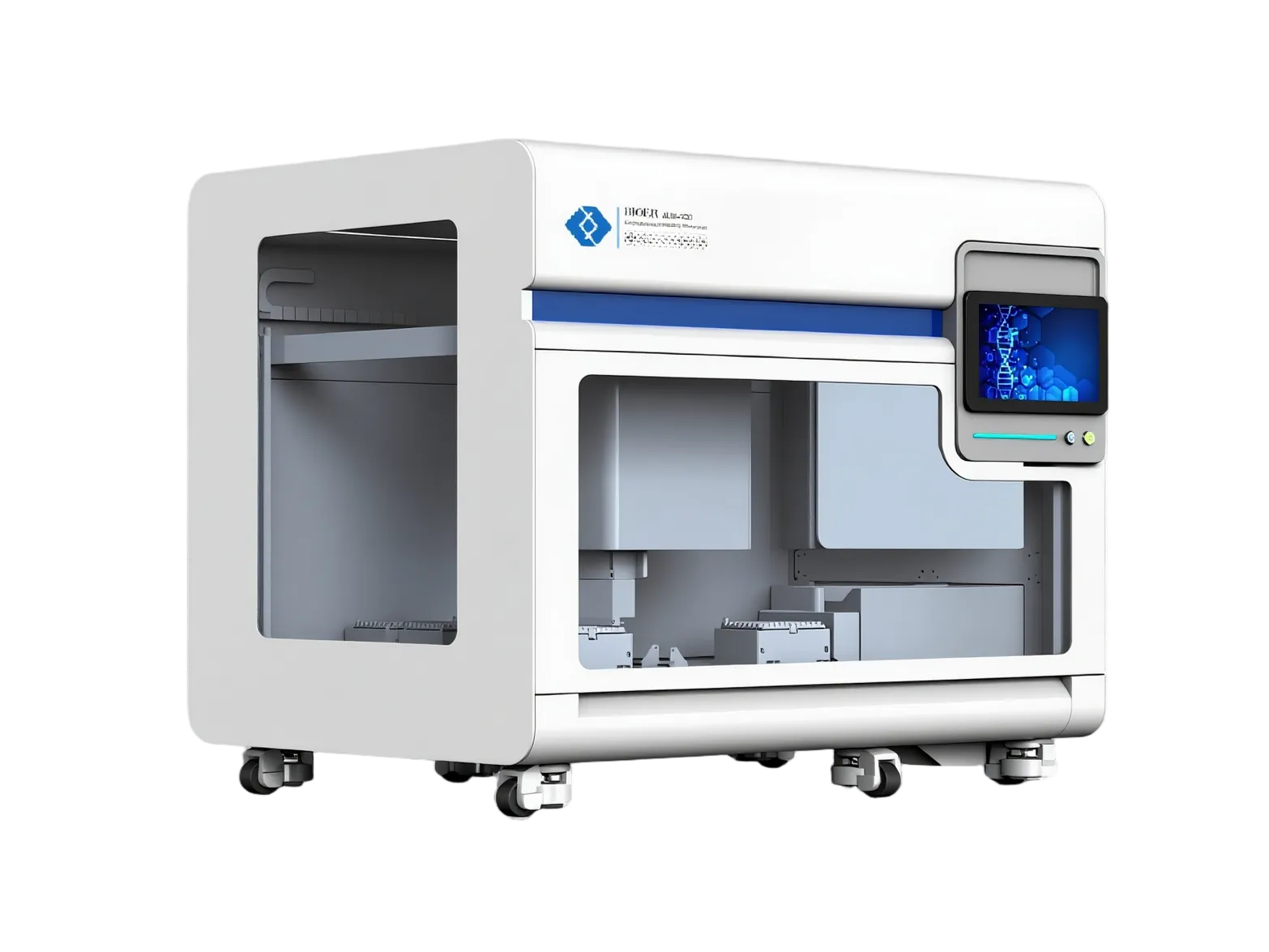
Automated Liquid Handling Workstation
Automated Liquid Handling Workstation
GMO
GMO

CP4-EPSPS Gene Nucleic Acid Detection Kit (Fluorescence PCR)
With the rapid development of genetic engineering technology and its extensive application in biological improvement and genetic breeding, the variety of transgenic organisms and related products has been steadily increasing. The CP4-EPSPS gene, isolated from the CP4 strain of Agrobacterium tumefaciens, is a herbicide-resistant gene against glyphosate and is one of the most commonly used selectable marker genes in transgenic crop research. This gene also confers glyphosate resistance to plants. Currently, there are numerous commercialized glyphosate-resistant transgenic crops, including glyphosate-resistant soybean, corn, cotton, canola, and potato, which represent the largest transgenic crop area globally. Therefore, the rapid detection of the CP4-EPSPS gene is of significant research importance.
pCaMV35S Gene Nucleic Acid Detection Kit (Fluorescence PCR)
With the rapid development of genetic engineering technology and its widespread application in biological improvement and genetic breeding, the variety of transgenic organisms and their products is gradually increasing. The Cauliflower mosaic virus (CaMV) 35S promoter is one of the most widely used promoters in genetic engineering and is present in various commercialized transgenic crops such as crops, corn, cotton, rapeseed, and tomatoes. Therefore, its safety assessment and detection research on transgenic crops are of great significance. This kit is suitable for detecting the transgenic component pCaMV35S gene in samples and is used to screen whether the sample to be tested contains the pCaMV35S promoter.

tNOS Gene Nucleic Acid Detection Kit (Fluorescence PCR)
With the rapid advancement of genetic engineering technology and its widespread application in biological improvement and genetic breeding, the variety of transgenic organisms and related products is steadily increasing. The terminator of the nopaline synthase gene (tNOS) from Agrobacterium tumefaciens is one of the most commonly used transgenic elements, widely present in various commercialized transgenic crops such as crops, maize, cotton, rapeseed, and tomatoes. Therefore, its significance in the safety assessment and detection research of transgenic crops cannot be overstated.
Soybean Endogenic Gene (Lectin) Nucleic Acid Detection Kit (Fluorescence PCR)
The detection of the Soybean Endogenic Gene (Lectin) involves identifying the presence of the lectin gene, a crucial endogenous marker in soybeans. This gene is commonly used as a reference in GMO testing to differentiate between genetically modified and non-modified soybeans. Accurate detection of the lectin gene ensures the integrity of soybean products and verifies the absence of unintended genetic modifications. This process employs advanced molecular techniques such as qPCR to achieve precise and reliable results. This kit optimizes the reaction buffer system and hot-start DNA polymerase to enhance efficient template amplification and reduce PCR run time. Additionally, it incorporates a dUTP/UDG anti-contamination system, effectively preventing the risk of aerosol contamination by amplification products. The product aims to establish a rapid fluorescent quantitative PCR detection method for the endogenous soybean Lectin gene.
Cell Culture Consumables
Cell Culture Consumables

Cell Culture Flask
Cell culture flasks are specialized vessels designed for the cultivation and growth of cells in laboratory settings. These flasks typically consist of a flat or angled bottom with a sterile, vented cap to facilitate gas exchange while preventing contamination. They are commonly made from polystyrene or other biocompatible materials and are available in various sizes to accommodate different cell culture volumes. The inner surface of the flask is usually treated to promote cell adhesion and proliferation. Cell culture flasks play a crucial role in biomedical research, pharmaceutical development, and other fields where the study of cell behavior and function is essential.
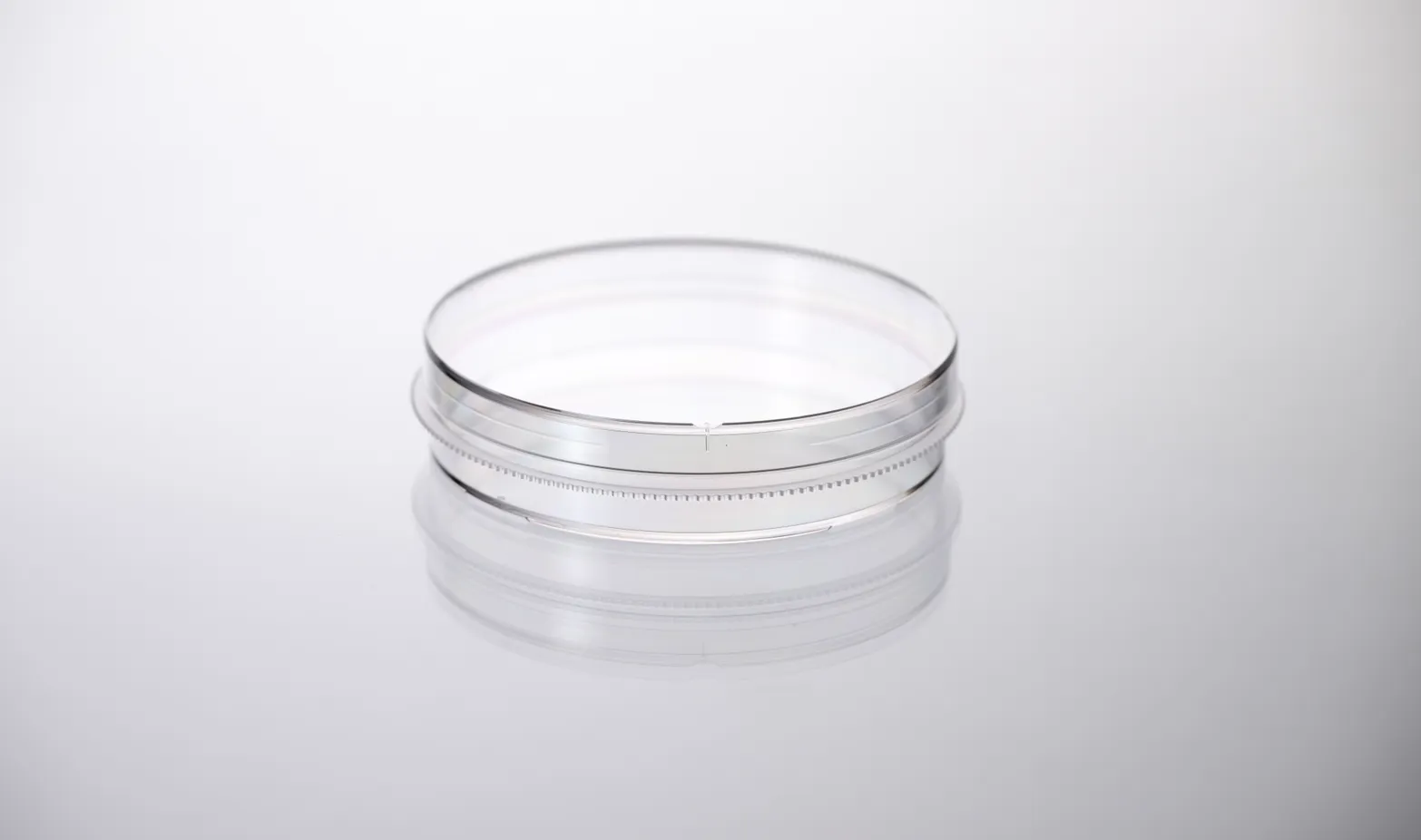
Cell Culture Dish
A cell culture dish is a standard laboratory tool used for growing and maintaining cells outside of their natural environment. Typically made of clear polystyrene, these dishes have a flat bottom and raised edges to contain cell culture media. They are treated to promote cell attachment and proliferation. Cell culture dishes are essential for research in various scientific fields, allowing researchers to study cellular behavior and responses in a controlled environment.
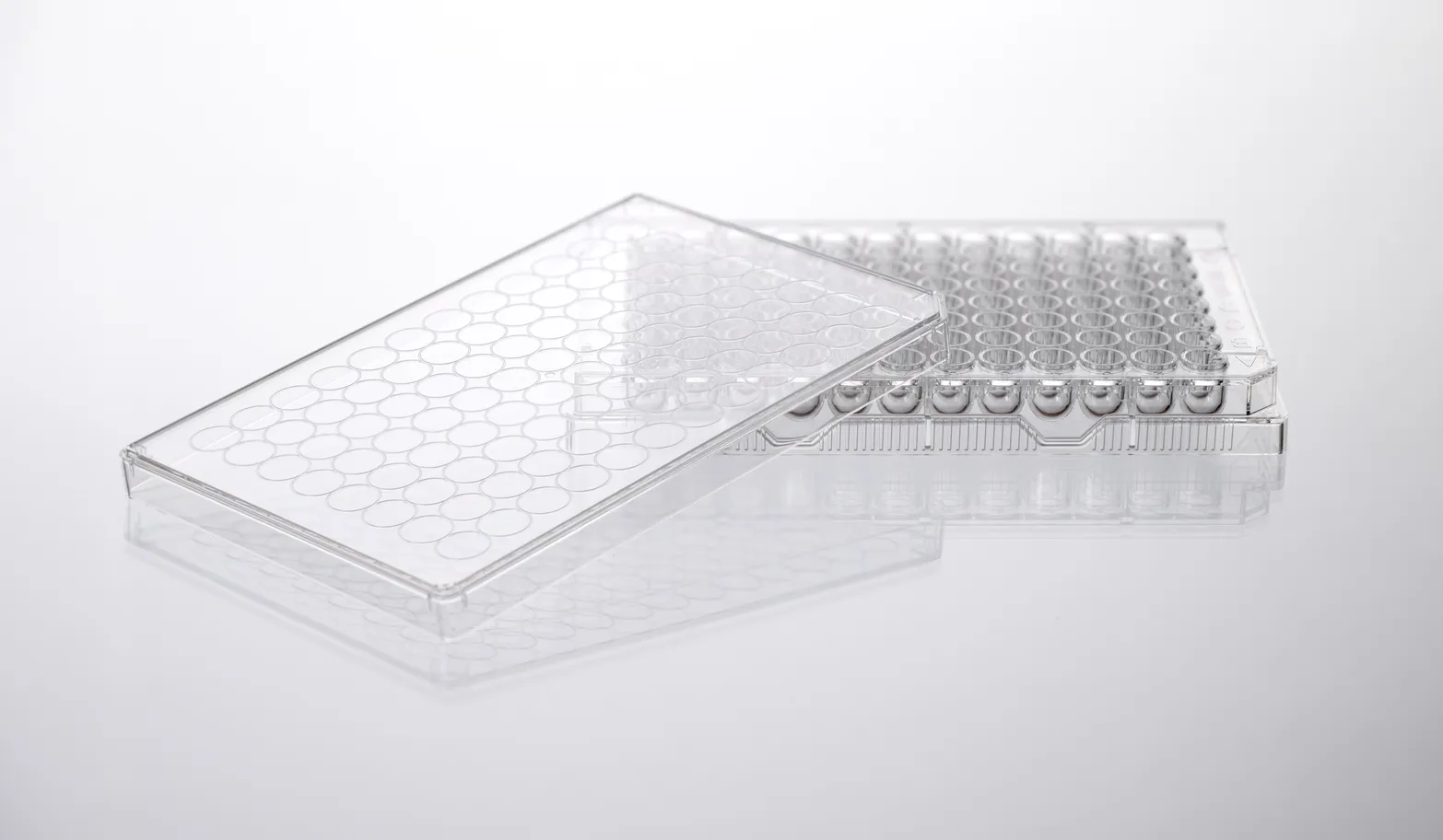
Cell Culture Plate
A cell culture plate, also known as a multiwell plate, is a standardized laboratory tool used for growing and experimenting with cells in vitro. Made of clear polystyrene, it contains multiple wells or compartments that allow researchers to conduct parallel experiments. Its versatility and scalability make it indispensable for various fields including drug discovery, cancer research, and basic cell biology studies. The plate's standardized format and compatibility with automated systems enhance throughput and efficiency in cell-based assays, enabling rapid analysis of cellular responses to experimental conditions or therapeutic agents.