
Product Center
An Answer
For Every Sample
Product Center
Products
Browse products by category.
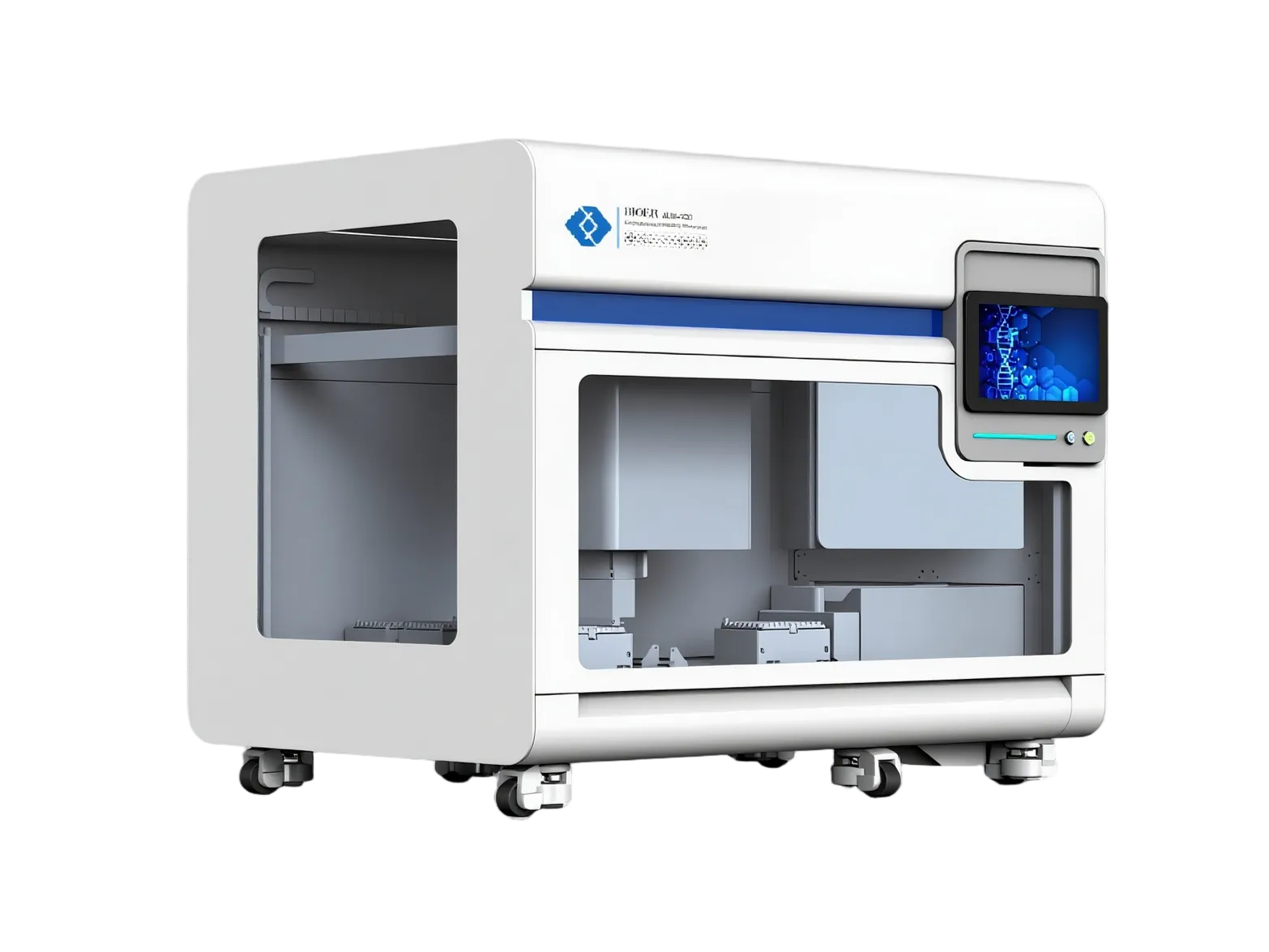
Automated Liquid Handling Workstation
Automated Liquid Handling Workstation
Plant Virus
Plant Virus

Alfalfa Mosaic Virus Nucleic Acid Detection Kit (Fluorescent PCR)
Alfalfa Mosaic Virus (AMV) is a globally distributed virus with a wide host range, causing harm to various economically significant crops and leguminous forage plants, such as tobacco, pepper, soybean, tomato, potato, and alfalfa. When plants are infected by AMV, they exhibit typical symptoms including leaf wrinkling, dwarfing, curling, mottling, necrosis, chlorosis, and yellowing, which can lead to severe cases of plant death. AMV is primarily transmitted through sap contact and by various aphid species in a non-persistent manner. It can also spread via seeds carrying the virus, resulting in the increasing severity and spread of AMV disease over time. Therefore, the detection of AMV in crops such as tobacco, pepper, soybean, and potato is of significant importance.
Beet Curly Top Virus Nucleic Acid Detection Kit (Fluorescent PCR)
Beet Curly Top Virus (BCTV) primarily infects dicotyledonous plants and is restricted to the phloem of its host. The virus is naturally transmitted by leafhoppers in a persistent manner. BCTV particles have a geminate structure, with each particle measuring 18nm × 30nm and lacking an envelope. The virus is composed of two incomplete icosahedrons. Its genome consists of a single-stranded circular DNA molecule of 2.9-3.0 kb, encoding seven genes—three on the viral strand and four on the complementary strand.
Hop Latent Viroid, Tobacco Mosaic Virus, Cannabis Cryptic Virus Nucleic Acid Detection Kit (Fluorescence PCR)
Hop latent viroid (HpLVd) belongs to the genus Cocadviroid. While it typically causes no obvious symptoms in infected hops, some cultivars may exhibit chlorosis and stunted growth. Infection with this viroid can alter certain secondary metabolites in hops, affecting their quality and reducing yield. Tobacco mosaic virus (TMV), an RNA virus and the causative agent of tobacco mosaic disease, belongs to the genus Tobamovirus and is one of the most widespread diseases affecting tobacco production. Cannabis cryptic virus (CanCV), a double-stranded RNA virus, belongs to the family Partitiviridae.
Cell Culture Consumables
Cell Culture Consumables

Cell Culture Flask
Cell culture flasks are specialized vessels designed for the cultivation and growth of cells in laboratory settings. These flasks typically consist of a flat or angled bottom with a sterile, vented cap to facilitate gas exchange while preventing contamination. They are commonly made from polystyrene or other biocompatible materials and are available in various sizes to accommodate different cell culture volumes. The inner surface of the flask is usually treated to promote cell adhesion and proliferation. Cell culture flasks play a crucial role in biomedical research, pharmaceutical development, and other fields where the study of cell behavior and function is essential.

Cell Culture Dish
A cell culture dish is a standard laboratory tool used for growing and maintaining cells outside of their natural environment. Typically made of clear polystyrene, these dishes have a flat bottom and raised edges to contain cell culture media. They are treated to promote cell attachment and proliferation. Cell culture dishes are essential for research in various scientific fields, allowing researchers to study cellular behavior and responses in a controlled environment.
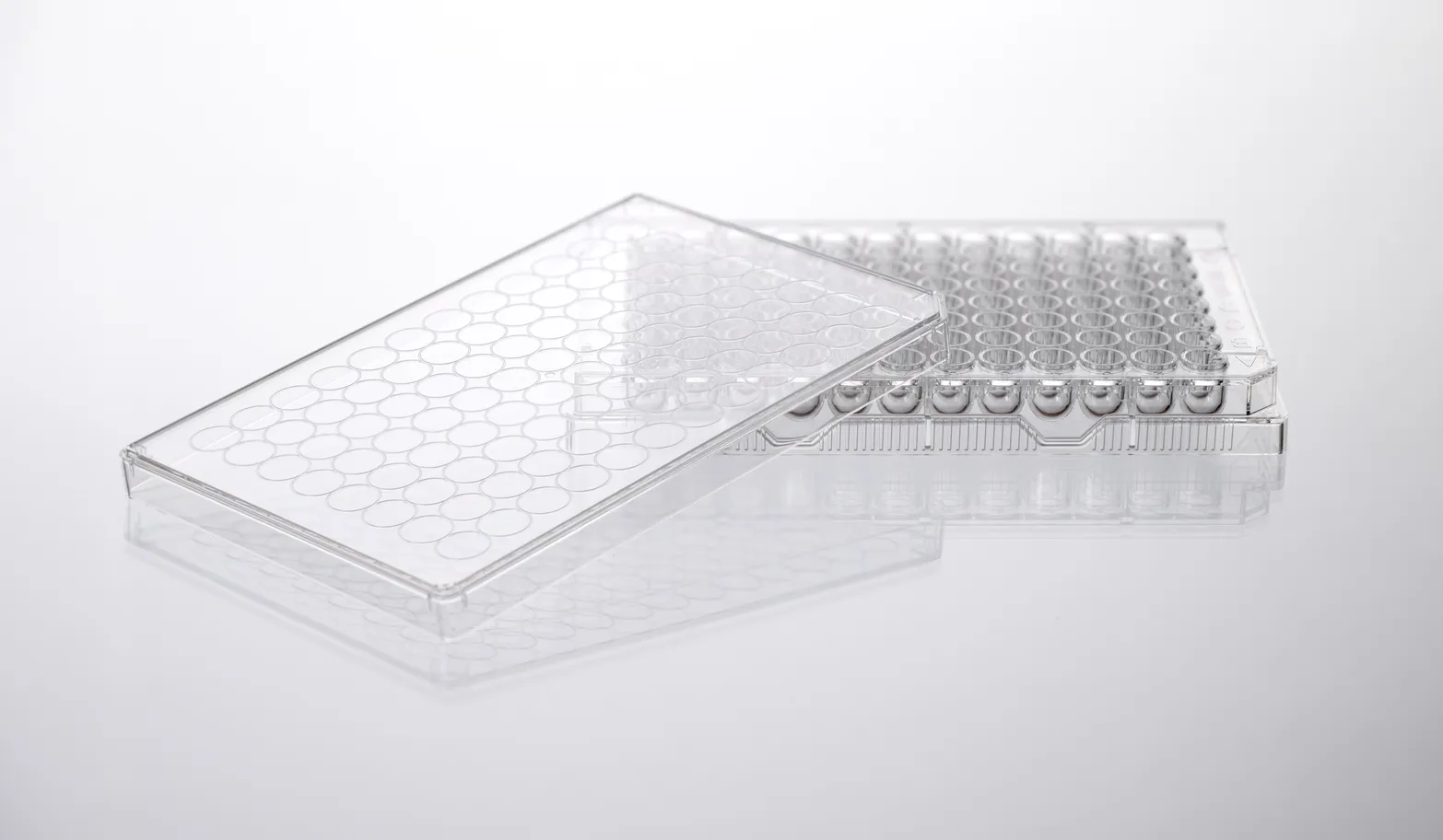
Cell Culture Plate
A cell culture plate, also known as a multiwell plate, is a standardized laboratory tool used for growing and experimenting with cells in vitro. Made of clear polystyrene, it contains multiple wells or compartments that allow researchers to conduct parallel experiments. Its versatility and scalability make it indispensable for various fields including drug discovery, cancer research, and basic cell biology studies. The plate's standardized format and compatibility with automated systems enhance throughput and efficiency in cell-based assays, enabling rapid analysis of cellular responses to experimental conditions or therapeutic agents.