
Product Center
An Answer
For Every Sample
Product Center
Products
Browse products by category.
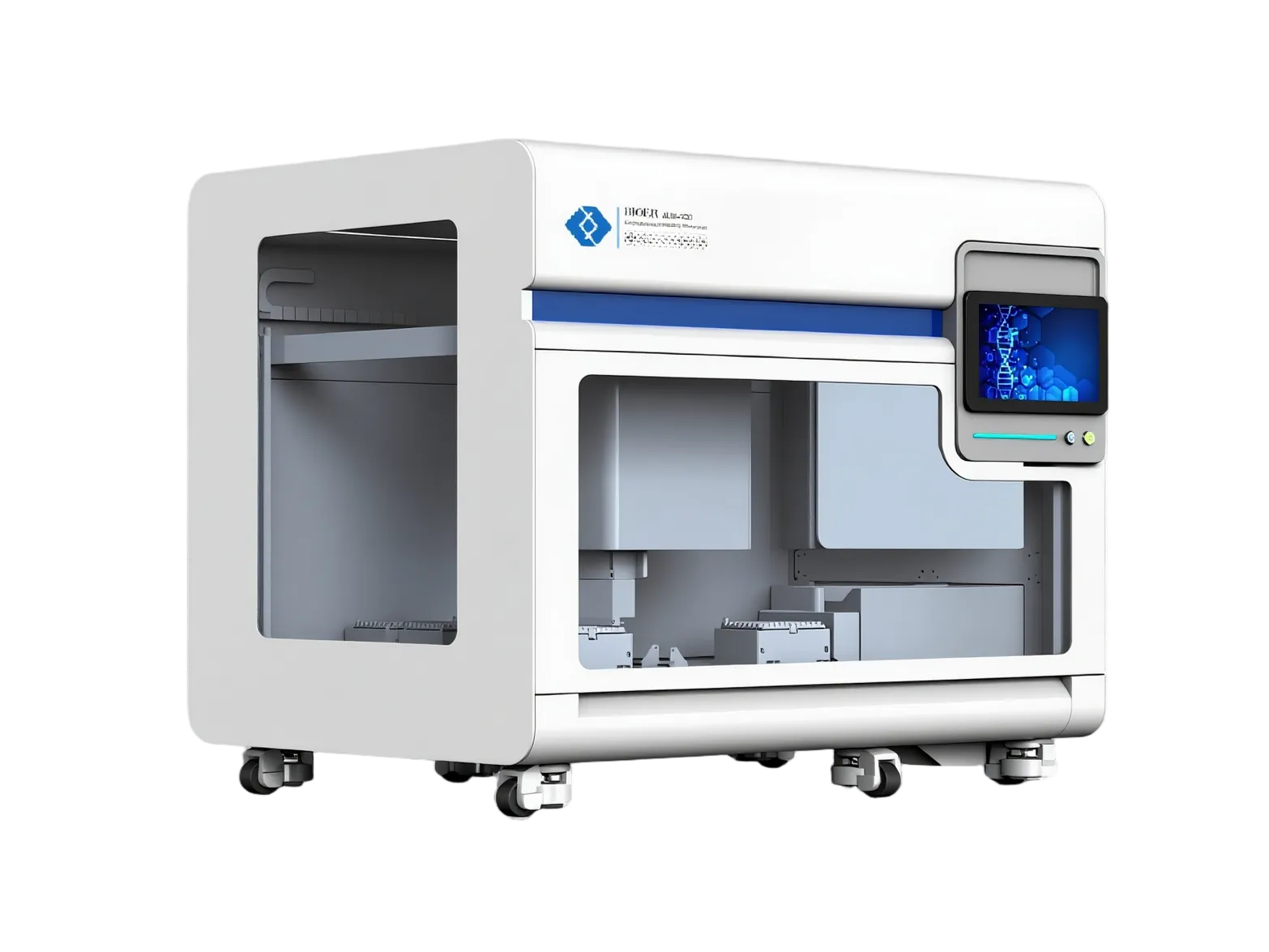
Automated Liquid Handling Workstation
Automated Liquid Handling Workstation
Sexually Transmitted Diseases
Sexually Transmitted Diseases
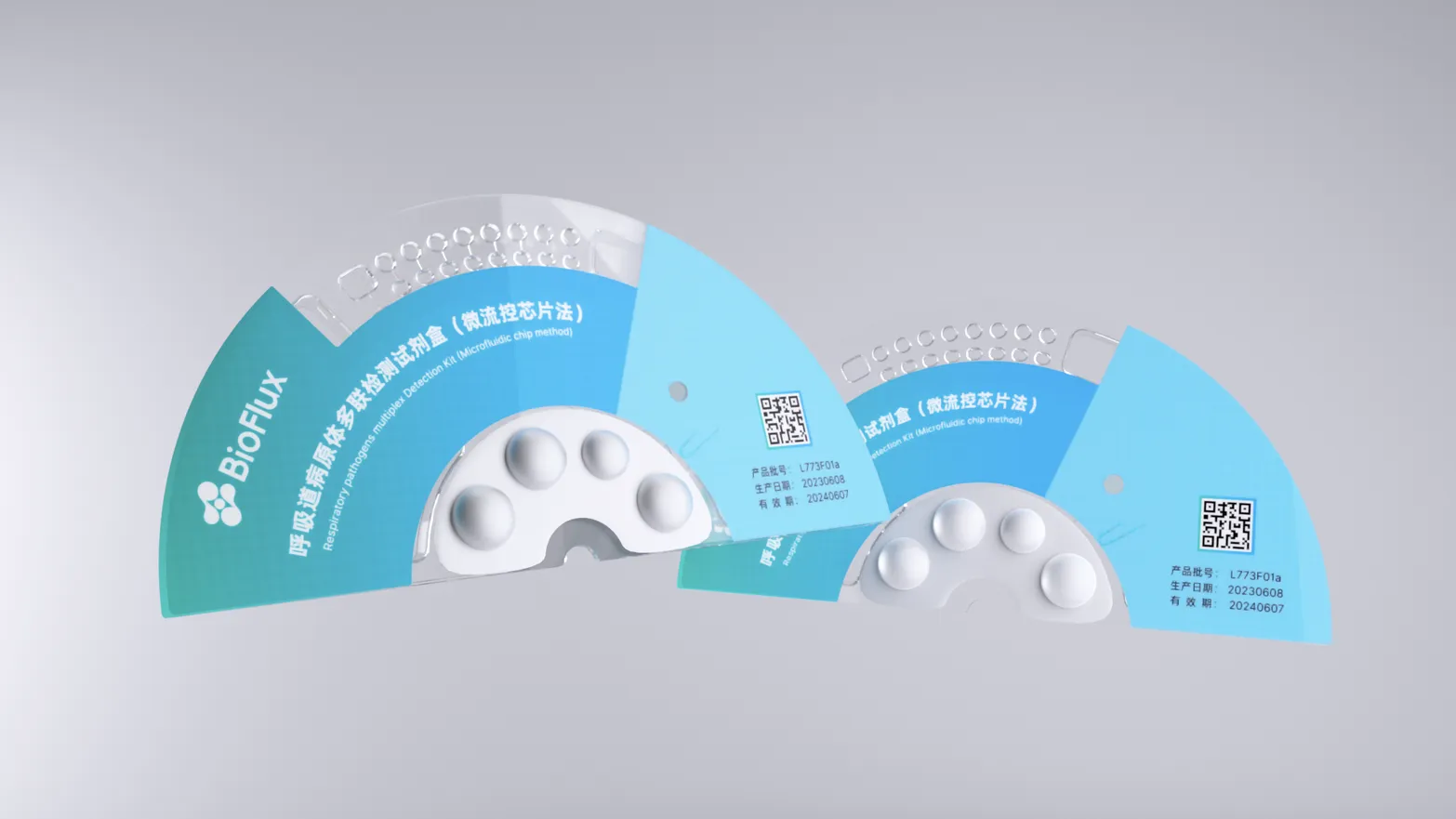
CentriDxTM Sexually Transmitted Disease Panel I
Sexually Transmitted Diseases (STDs) are a group of infectious diseases primarily transmitted through sexual contact and are spreading rapidly on a global scale. Among these, the issue of mixed infections caused by multiple STD pathogens is becoming increasingly prominent. Clinical studies have shown that approximately 60% of individuals infected with STDs are co-infected with at least one other overt or latent STD pathogen. Such mixed infections not only exacerbate disease severity and significantly increase the risk of transmission but also tend to develop into chronic and persistent infections, potentially leading to a range of complications with serious health consequences.

STI-6 Nucleic Acid Detection Kit (Fluorescence PCR)
Sexually transmitted diseases (STDs), or infections (STIs), are mainly spread through sexual contact or close genital contact. Transmission may also occur via contaminated personal items like towels. STIs are caused by various pathogens, including viruses, bacteria, fungi, and protozoa. Some high-risk pathogens include HSV-1, HSV-2, Treponema pallidum, Haemophilus ducreyi, Gardnerella vaginalis, and Candida albicans. Molecular detection is vital for early, accurate diagnosis and infection control. Many STIs are asymptomatic yet remain harmful and contagious. Complications include stigma, infertility, pregnancy issues, and increased HIV risk. In 2022, 8 million adults had syphilis, and 700,000 congenital cases were reported globally.
STI-7 Nucleic Acid Detection Kit (Fluorescence PCR)
Sexually Transmitted Infections (STIs) are infectious diseases mainly spread through sexual contact or related behaviors. They are caused by viruses, Chlamydia, Mycoplasma, bacteria, fungi, protozoa, and parasites. STIs can lead to serious reproductive and systemic health problems. According to WHO, over 1 million STIs are acquired every day worldwide. In 2022, there were about 374 million new cases of four curable STIs. Over 500 million people aged 15–49 live with genital herpes globally. These figures highlight the urgent need for accurate and efficient diagnostics. Multiplex molecular testing allows simultaneous detection of multiple pathogens. It improves diagnostic accuracy and speeds up treatment. This is key for identifying asymptomatic cases and managing mixed infections.
STI 13-Pathogen Lyophilized Nucleic Acid Detection Kit (Fluorescence PCR)
Sexually Transmitted Diseases (STDs), also known as Sexually Transmitted Infections (STIs), are diseases transmitted through sexual activities, similar behaviors (such as genital friction), and indirect contact (such as using a towel belonging to an infected individual).More than 30 different bacteria, viruses and parasites are known to be transmitted through sexual contact, including vaginal, anal and oral sex. Some STIs can also be transmitted from mother-to-child during pregnancy, childbirth and breastfeeding. A wide range of pathogens can cause sexually transmitted infections (STIs), including viruses, chlamydia, mycoplasmas, spirochetes, bacteria, fungi, and protozoa. The symptoms, severity, and impact of STIs vary depending on the pathogen.
CMV Detection Kit (Fluorescence Quantitative PCR)
Cytomegalovirus (CMV) is a prevalent herpesvirus that infects a large portion of the global population. CMV infection is typically asymptomatic in healthy individuals but can cause severe complications, particularly in immunocompromised individuals such as transplant recipients and those with HIV/AIDS. Congenital CMV infection is a leading cause of birth defects and developmental disabilities. Given its widespread prevalence and potential for serious health implications, molecular detection of CMV has become crucial for clinical diagnosis, monitoring of at-risk individuals, and public health interventions. Various molecular techniques, including polymerase chain reaction (PCR), are employed for sensitive and specific detection of CMV DNA, facilitating early diagnosis and timely intervention to mitigate associated risks.
STD Pathogen Multiplex Detection Kit (Fluorescent PCR)
The co-infection of STDS (Sexually Transmitted Disease) is one of the main reasons to diagnose and cure STDS difficultly. According to the survey of the global STD epidemic, about 60% of STD infected people are accompanied by at least one dominant or latent STD pathogen infection. If insufficient attention is paid to these co-infections, especially the latent co-infections, they often develop into chronic persistent infections, which can cause a series of comorbidities and even lead to the prevalence and spread of STD. Therefore, enough attention must be paid to it. Multiplex detection of STD pathogens breaks the limitation of traditional single pathogen detection, and can detect multiple STD pathogens at one time, which can effectively find co-infections. For Research Use Only
Neisseria gonorrhoeae, Chlamydia trachomatis, Ureaplasma urealyticum Nucleic Acid Detection Kit (Fluorescent PCR)
The incidence of sexually transmitted diseases (STDs) has been increasing in recent years. Chlamydia trachomatis (CT), ureaplasma urealyticum (UU) and Neisseria gonorrhoeae (NG) are common pathogens causing STD and genitourinary diseases. This kit can detect three pathogens at the same time through a single sampling, saving time, effort and cost. Non-competitive internal reference can be used to evaluate sample quality and PCR inhibitory factors to prevent false negative results. At the same time, UDG enzyme and dUTP anti-contamination measures were added to fully degrade possible product contamination and avoid false positive results.
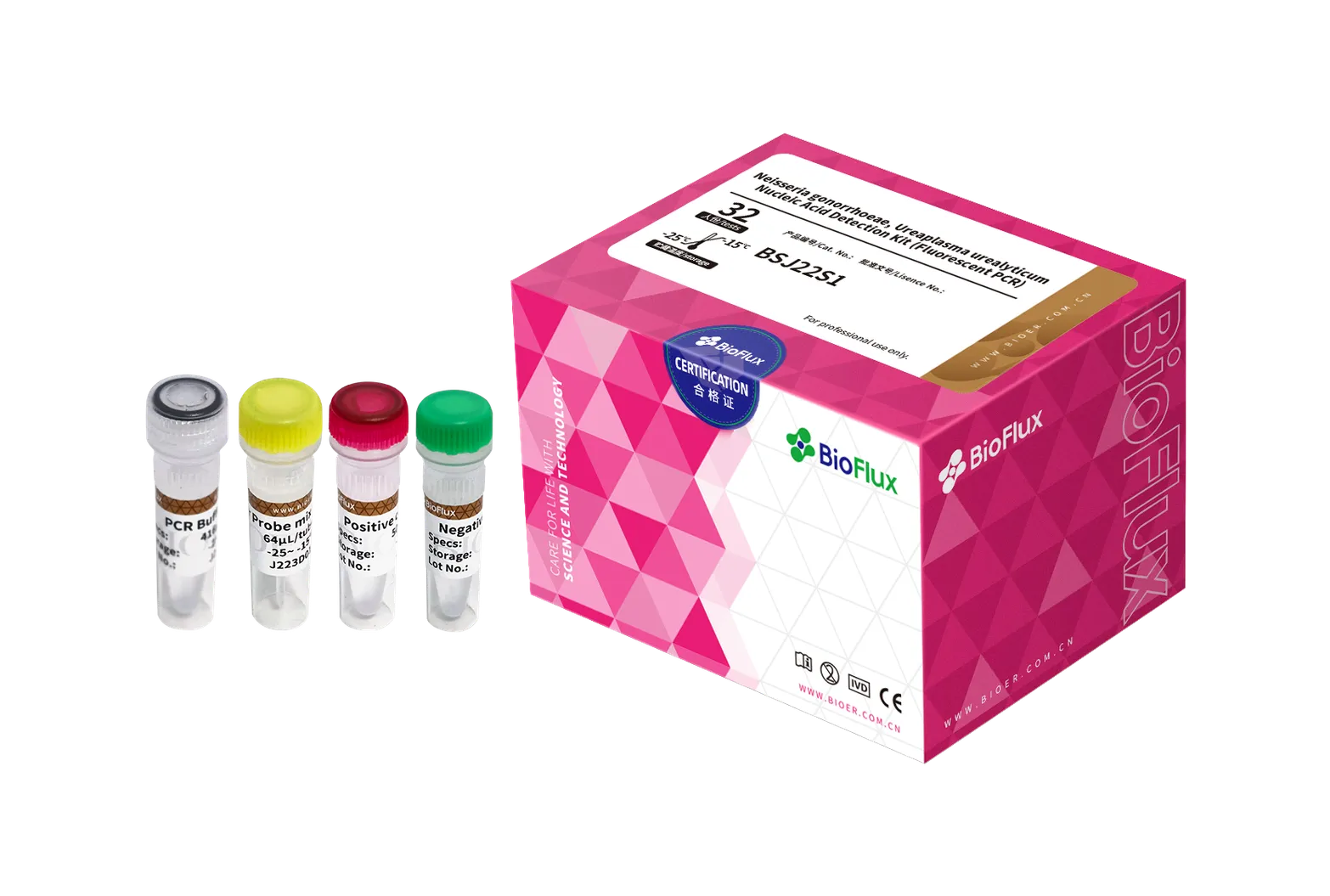
Neisseria gonorrhoeae, Ureaplasma urealyticum Nucleic Acid Detection Kit (Fluorescent PCR)
This kit uses real-time fluorescent PCR technology, primers and Taqman probes are designed in the conserved regions of Neisseria gonorrhoea(NG)and Ureaplasma urealyticum(UU). It is used for the qualitative detection of Neisseria gonorrhoeae and Ureaplasma urealyticum nucleic acid in male urethral swabs and female cervical swabs from suspected cases. The internal gene was act as a non-competitive internal control during the extraction and detection process. In addition, UDG enzyme and DUTP anti-contamination measures were added in this kit to avoid false positive results.
Herpes Simplex Virus Type 1 and 2 Nucleic Acid Typing Detection Kit (Fluorescence PCR)
Herpes simplex virus belongs to the α subfamily of human herpesviridae. According to the difference of G protein, it can be divided into two serotypes: Herpes Simplex Virus Type 1(HSV1) and Herpes Simplex Virus Type 2 (HSV2). The nucleic acid sequences of the two types have high homology, but the infection way and clinical manifestations are different. The recurrence rate of genital herpes caused by HSV2 infection is much higher than that caused by HSV1, so it has important clinical significance for the diagnosis and detection of HSV.
Cell Culture Consumables
Cell Culture Consumables

Cell Culture Flask
Cell culture flasks are specialized vessels designed for the cultivation and growth of cells in laboratory settings. These flasks typically consist of a flat or angled bottom with a sterile, vented cap to facilitate gas exchange while preventing contamination. They are commonly made from polystyrene or other biocompatible materials and are available in various sizes to accommodate different cell culture volumes. The inner surface of the flask is usually treated to promote cell adhesion and proliferation. Cell culture flasks play a crucial role in biomedical research, pharmaceutical development, and other fields where the study of cell behavior and function is essential.

Cell Culture Dish
A cell culture dish is a standard laboratory tool used for growing and maintaining cells outside of their natural environment. Typically made of clear polystyrene, these dishes have a flat bottom and raised edges to contain cell culture media. They are treated to promote cell attachment and proliferation. Cell culture dishes are essential for research in various scientific fields, allowing researchers to study cellular behavior and responses in a controlled environment.
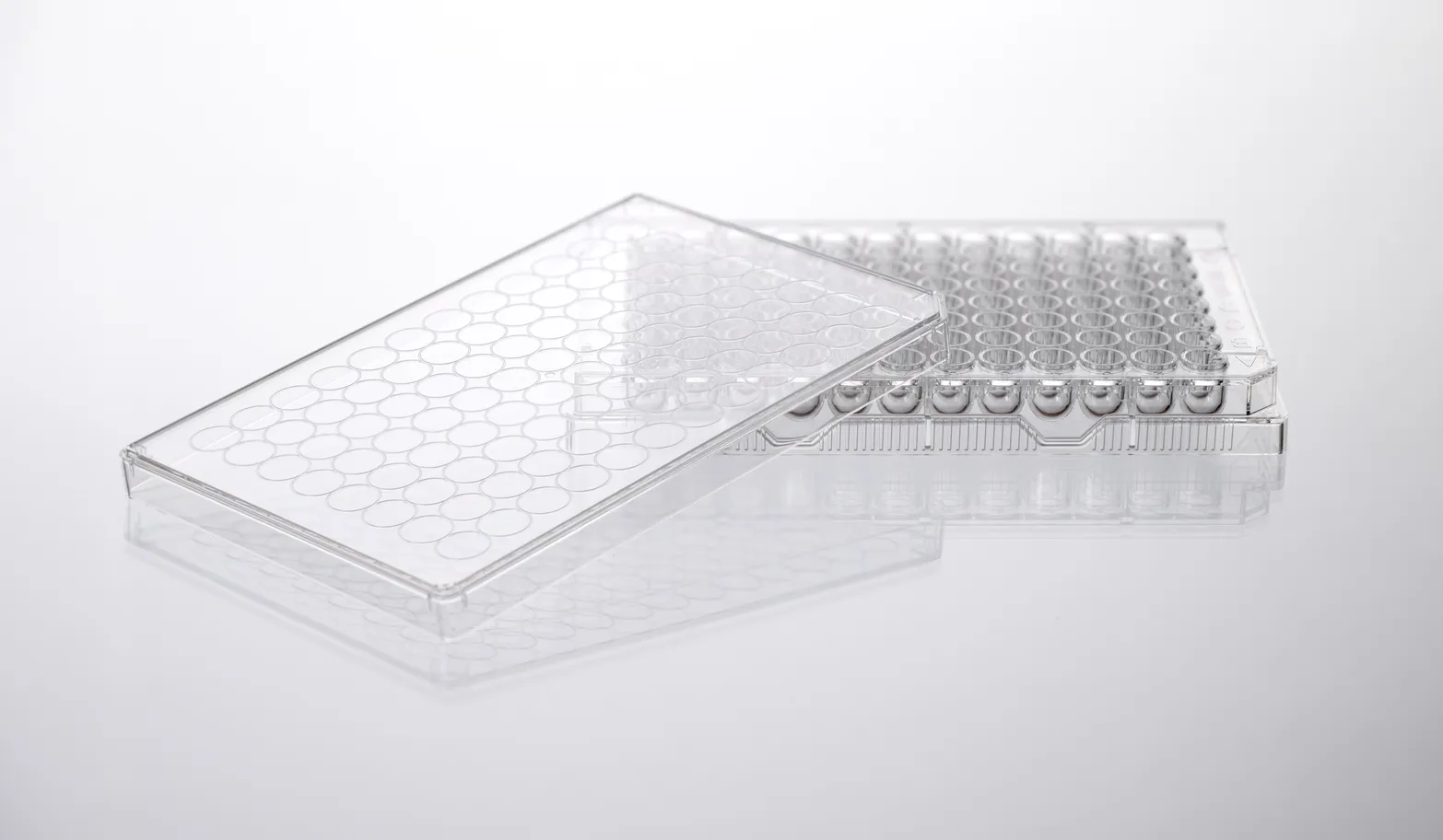
Cell Culture Plate
A cell culture plate, also known as a multiwell plate, is a standardized laboratory tool used for growing and experimenting with cells in vitro. Made of clear polystyrene, it contains multiple wells or compartments that allow researchers to conduct parallel experiments. Its versatility and scalability make it indispensable for various fields including drug discovery, cancer research, and basic cell biology studies. The plate's standardized format and compatibility with automated systems enhance throughput and efficiency in cell-based assays, enabling rapid analysis of cellular responses to experimental conditions or therapeutic agents.