
Product Center
An Answer
For Every Sample
Product Center
Products
Browse products by category.
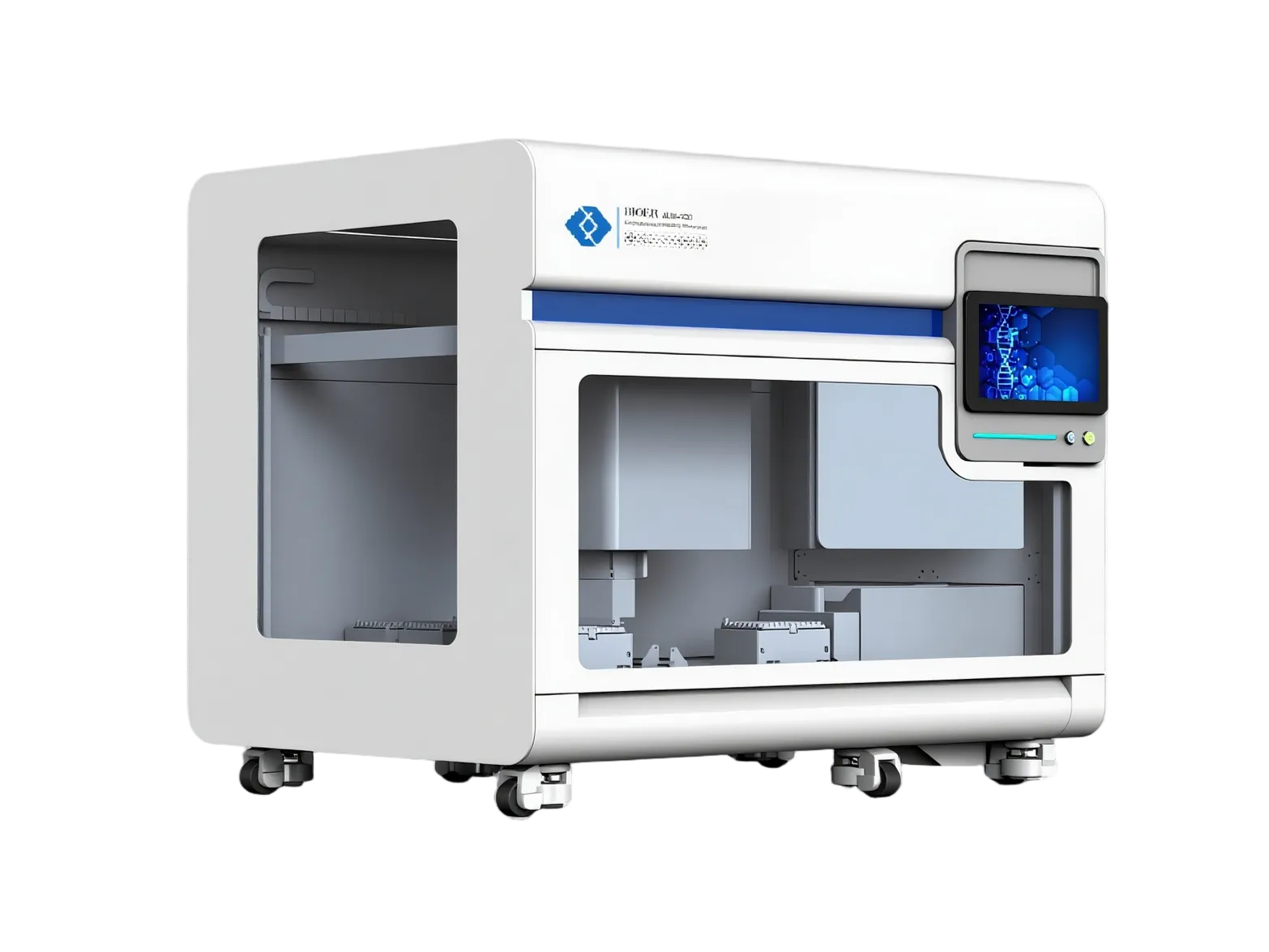
Automated Liquid Handling Workstation
Automated Liquid Handling Workstation
Vector-Borne Diseases
Vector-Borne Diseases

Dengue Virus/Zika Virus/Chikungunya Virus Nucleic Acid Detection Kit (Fluorescence PCR)
Dengue virus (DENV), Zika virus (ZIKV), and Chikungunya virus (CHIKV) are mosquito-borne pathogens widely distributed in tropical and subtropical regions, causing similar symptoms such as fever, rash, headache, nausea, and muscle/joint pain. DENV has four serotypes and belongs to the Flaviviridae family; ZIKV is also Flaviviridae and can be transmitted via mosquitoes, mother-to-child, sexual contact, and blood; CHIKV belongs to the Togaviridae family and is mainly spread by Aedes aegypti and Aedes albopictus.
Chikungunya Virus Nucleic Acid Detection Kit (Fluorescence PCR)
Chikungunya is a viral illness caused by the chikungunya virus, primarily spread to humans through the bites of infected mosquitoes. The disease has led to both widespread outbreaks and isolated cases, particularly in regions of the Americas, Asia, and Africa, with occasional smaller outbreaks also occurring in Europe. The virus was first identified in the Americas in 2013 on the island of St. Martin, and it rapidly spread, infecting over a million people in the region within a year.
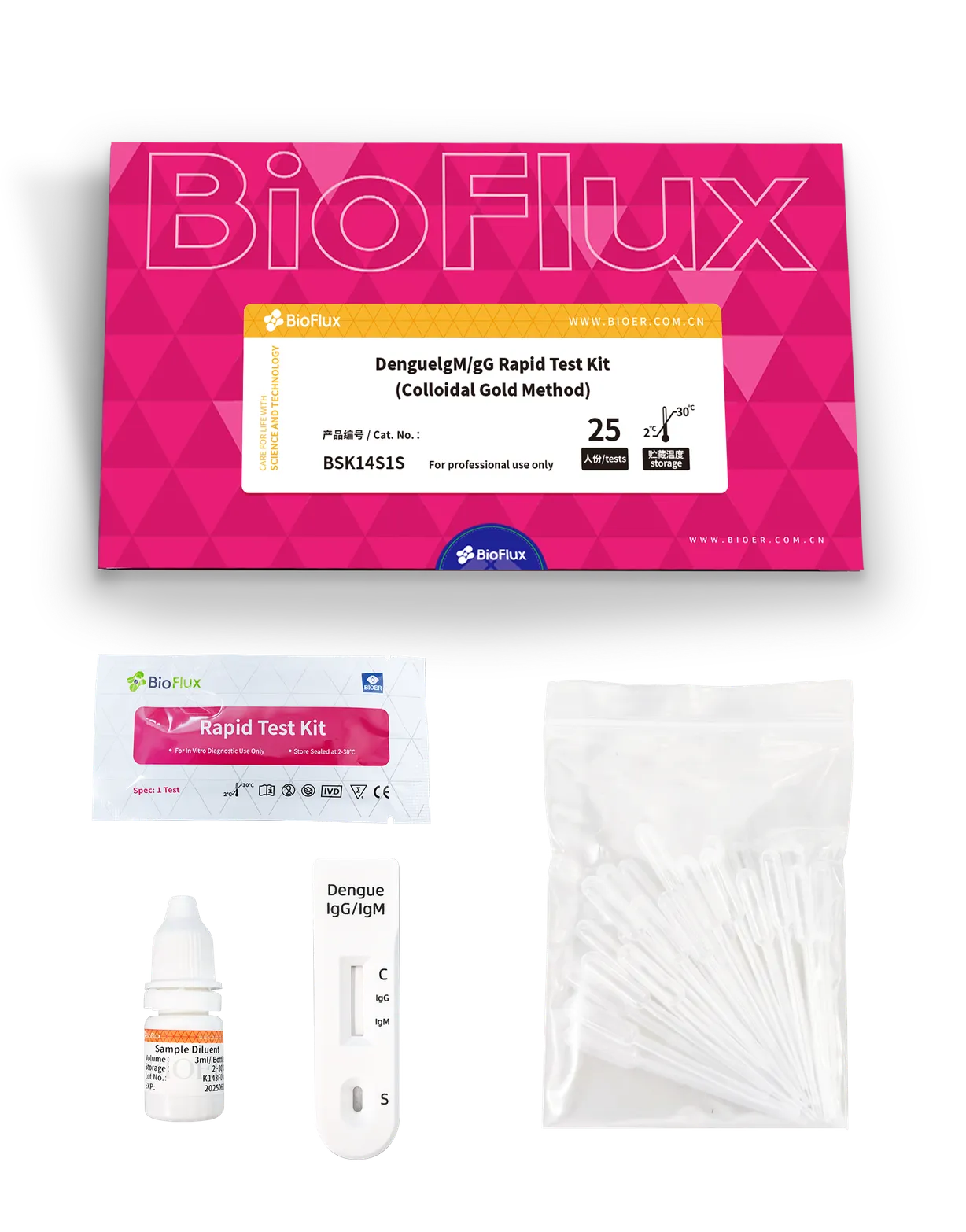
Dengue IgM/IgG Rapid Test Kit (Colloidal Gold Method)
Dengue virus belongs to the Flavivirus genus of the Flaviviridae family. It is a single-stranded positive-sense RNA virus with spherical viral particles approximately 55 nm in diameter. Based on antigenic differences, it is classified into four serotypes: 1, 2, 3, and 4. Dengue virus is primarily transmitted by vector insects such as Aedes aegypti and Aedes albopictus mosquitoes. It causes dengue fever as well as dengue hemorrhagic fever and dengue shock syndrome, which have high morbidity and mortality rates. Typical clinical manifestations of dengue fever include sudden onset of high fever, headache, severe muscle and joint pain (often described as "breakbone fever"), and in some patients, rash, bleeding tendencies, lymphadenopathy, leukopenia, and thrombocytopenia.

Dengue NS1 Antigen Rapid Test Kit (Colloidal Gold Method)
Dengue virus belongs to the Flavivirus genus of the Flaviviridae family. It is a single-stranded positive-sense RNA virus with spherical viral particles approximately 55 nm in diameter. Based on antigenic differences, it is classified into four serotypes: 1, 2, 3, and 4. Dengue virus is primarily transmitted by vector insects such as Aedes aegypti and Aedes albopictus mosquitoes. It causes dengue fever as well as dengue hemorrhagic fever and dengue shock syndrome, which have high morbidity and mortality rates. Typical clinical manifestations of dengue fever include sudden onset of high fever, headache, severe muscle and joint pain (often described as "breakbone fever"), and in some patients, rash, bleeding tendencies, lymphadenopathy, leukopenia, and thrombocytopenia.
Dengue Virus Nucleic Acid Detection Kit (Fluorescent PCR)
Dengue virus belongs to the Flavivirus genus of the Flaviviridae family. It is a single-stranded positive-sense RNA virus with spherical viral particles approximately 55 nm in diameter. Based on antigenic differences, it is classified into four serotypes: 1, 2, 3, and 4. Dengue virus is primarily transmitted by vector insects such as Aedes aegypti and Aedes albopictus mosquitoes. It causes dengue fever as well as dengue hemorrhagic fever and dengue shock syndrome, which have high morbidity and mortality rates. Typical clinical manifestations of dengue fever include sudden onset of high fever, headache, severe muscle and joint pain (often described as "breakbone fever"), and in some patients, rash, bleeding tendencies, lymphadenopathy, leukopenia, and thrombocytopenia.
Cell Culture Consumables
Cell Culture Consumables

Cell Culture Flask
Cell culture flasks are specialized vessels designed for the cultivation and growth of cells in laboratory settings. These flasks typically consist of a flat or angled bottom with a sterile, vented cap to facilitate gas exchange while preventing contamination. They are commonly made from polystyrene or other biocompatible materials and are available in various sizes to accommodate different cell culture volumes. The inner surface of the flask is usually treated to promote cell adhesion and proliferation. Cell culture flasks play a crucial role in biomedical research, pharmaceutical development, and other fields where the study of cell behavior and function is essential.
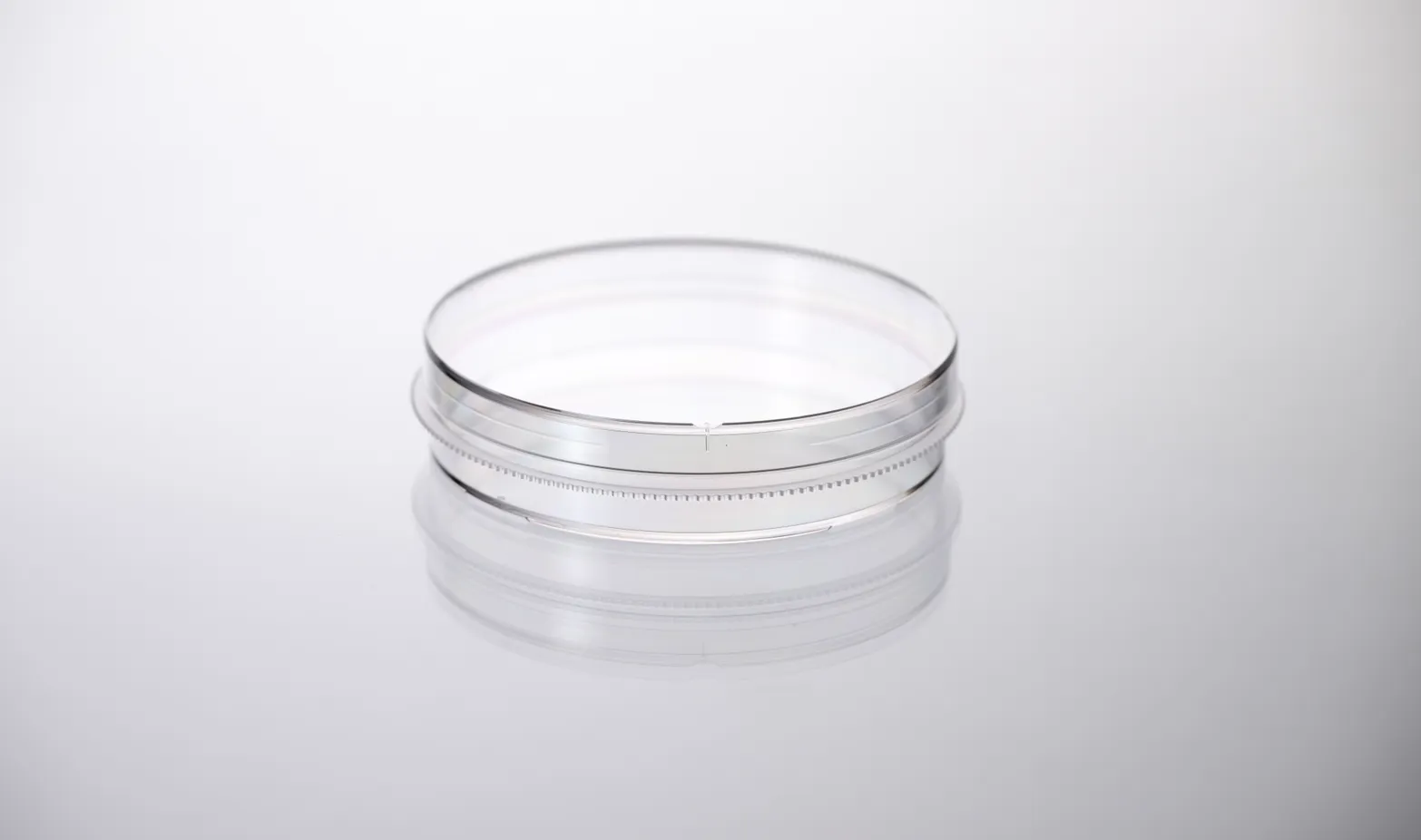
Cell Culture Dish
A cell culture dish is a standard laboratory tool used for growing and maintaining cells outside of their natural environment. Typically made of clear polystyrene, these dishes have a flat bottom and raised edges to contain cell culture media. They are treated to promote cell attachment and proliferation. Cell culture dishes are essential for research in various scientific fields, allowing researchers to study cellular behavior and responses in a controlled environment.
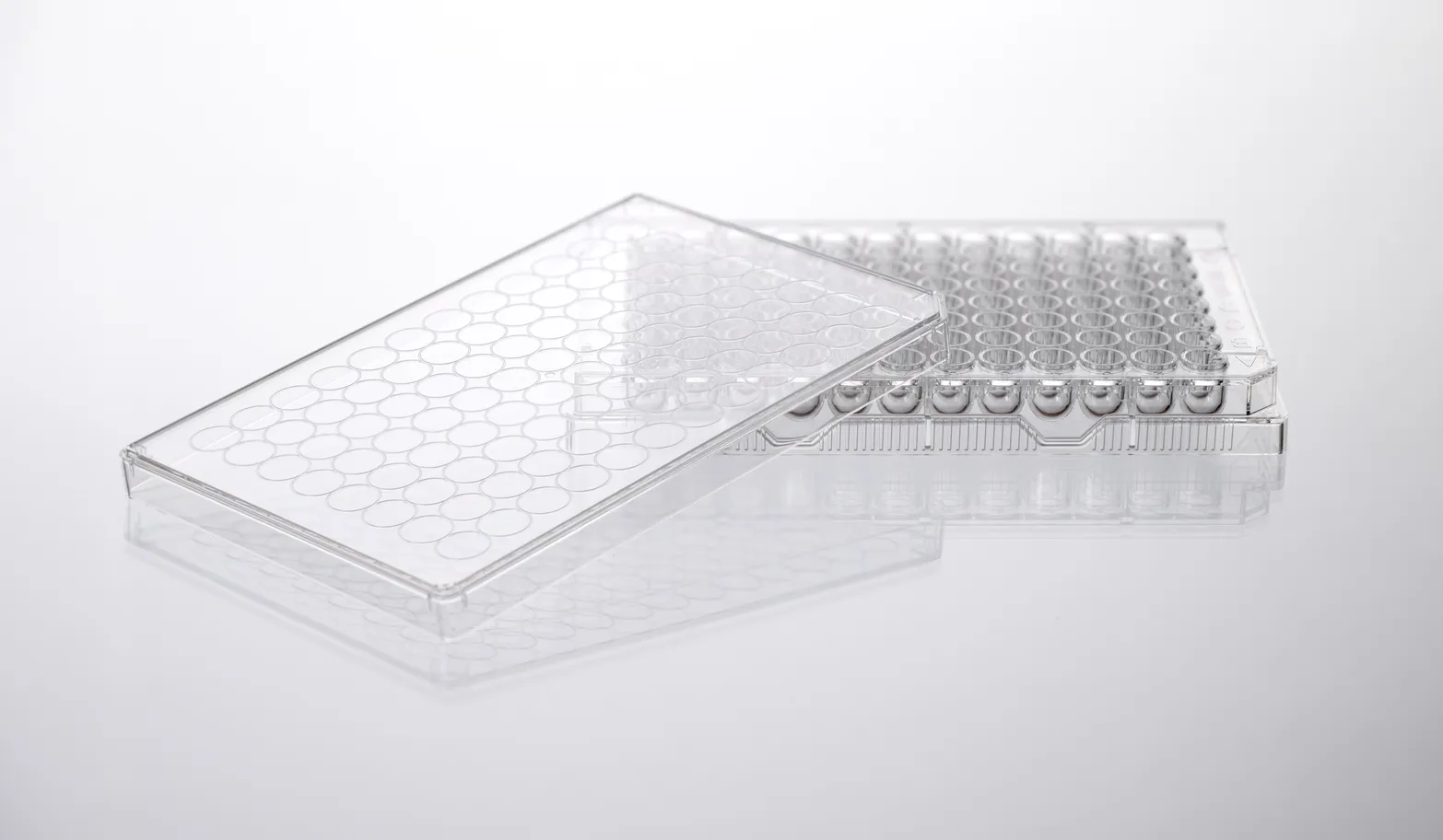
Cell Culture Plate
A cell culture plate, also known as a multiwell plate, is a standardized laboratory tool used for growing and experimenting with cells in vitro. Made of clear polystyrene, it contains multiple wells or compartments that allow researchers to conduct parallel experiments. Its versatility and scalability make it indispensable for various fields including drug discovery, cancer research, and basic cell biology studies. The plate's standardized format and compatibility with automated systems enhance throughput and efficiency in cell-based assays, enabling rapid analysis of cellular responses to experimental conditions or therapeutic agents.